分类: 未分类

  • Why you should replace new GSP Suspension Parts

    Why you should replace new GSP Suspension Parts

    Suspension parts work every time a vehicle moves. They absorb road impact, support steering control, keep the tires in contact with the road, and help the vehicle remain stable during braking and cornering. When suspension parts become worn, damaged, loose, or noisy, replacing them with new quality parts is not only a repair decision. It is a safety decision.

    At Fobautoparts, we supply genuine GSP suspension and steering parts for importers, wholesalers, distributors, repair chains, and professional maintenance businesses. This article explains why you should replace worn suspension parts with new GSP suspension parts, what problems old parts can cause, and how Fobautoparts can support correct part selection and export supply.

    Vehicle suspension replacement

    Why Suspension Parts Should Not Be Ignored

    A suspension system is built to handle road shock, vehicle weight, steering movement, and braking force. Over time, rubber bushings crack, ball joints loosen, stabilizer links wear out, shock absorbers lose damping force, and coil springs may become weak or damaged.

    If worn suspension parts are not replaced in time, the vehicle may develop:

    • Poor steering response
    • Longer braking distance
    • Uneven tire wear
    • Abnormal noise over bumps
    • Vibration while driving
    • Unstable handling during cornering
    • Poor wheel alignment stability
    • More stress on connected chassis parts

    For vehicle owners, this means reduced safety and higher repair costs. For distributors and repair shops, it means more customer complaints and more after-sales risk.

    The Aftermarket Demand for Suspension Replacement Is Growing

    Suspension replacement is an important part of the global automotive aftermarket. According to Global Market Insights, the global automotive suspension system market was valued at USD 46.6 billion in 2024 and is projected to reach USD 88.6 billion by 2034, growing at a 6.7% CAGR from 2025 to 2034.

    This growth is driven by several factors:

    • More vehicles staying on the road for longer service life
    • Higher demand for driving comfort and safety
    • Growth of professional repair networks
    • Increased need for reliable aftermarket replacement parts
    • More attention to tire wear, alignment, and vehicle stability

    For B2B buyers, this means suspension and steering parts remain a strong product category with steady replacement demand.

    Main Reasons to Replace Old Suspension Parts with New GSP Parts

    Replacing worn suspension parts with new GSP suspension parts can restore vehicle performance and reduce repair risk. Below are the main reasons.

    1. Improve Driving Safety

    Suspension parts affect how the vehicle reacts during steering, braking, and cornering. Worn ball joints, tie rod ends, or control arm bushings can create loose movement in the wheel assembly. This can reduce steering accuracy and make the car harder to control.

    New GSP suspension parts help restore stable movement and correct fitment, improving vehicle safety and handling confidence.

    2. Reduce Abnormal Noise and Vibration

    Clunking, knocking, squeaking, or rattling noises often come from worn suspension parts. Common causes include damaged stabilizer links, cracked bushings, worn ball joints, or loose strut mounts.

    Replacing worn parts with new GSP suspension components can help reduce these noises and restore a quieter driving experience.

    3. Protect Tires from Uneven Wear

    Suspension and steering parts directly affect wheel alignment. When control arms, ball joints, tie rod ends, or bushings are worn, the wheel may not stay in the correct position. This can cause uneven tire wear and shorten tire life.

    New GSP suspension parts can help restore alignment stability, especially when followed by a professional wheel alignment after installation.

    4. Restore Ride Comfort

    Old shock absorbers, worn bushings, and damaged mounts can make a vehicle feel harsh, unstable, or noisy. New suspension parts help absorb vibration and control body movement more effectively.

    For repair shops, restoring ride comfort is one of the most noticeable benefits customers can feel after suspension replacement.

    5. Prevent Damage to Connected Parts

    Suspension parts work together as a system. If one part is loose or damaged, it can increase stress on nearby components. For example, a worn bushing may affect control arm movement, which can then affect tire wear, alignment, and steering feel.

    Replacing worn parts on time helps protect the whole chassis system and can reduce future repair costs.

    Old Suspension Parts vs. New GSP Suspension Parts

    The table below shows the difference between worn suspension parts and new genuine GSP suspension parts supplied by Fobautoparts.

    Comparison Point Old or Worn Suspension Parts New GSP Suspension Parts from Fobautoparts
    Steering response Loose or delayed More stable and accurate
    Ride comfort Noisy, harsh, or unstable Improved vibration control
    Tire wear Uneven or faster wear Better alignment support
    Safety Reduced handling confidence Restored suspension function
    Installation result Existing wear remains Fresh component performance
    Business value Higher complaint risk Better customer satisfaction
    Supplier support Not applicable OE reference and application support

    Which GSP Suspension Parts Should Be Replaced?

    Different suspension parts wear in different ways. A proper inspection should identify which parts need replacement.

    Part Category When to Replace Common Symptoms
    Control arms Bent arm, cracked bushing, loose joint Pulling, tire wear, clunking noise
    Ball joints Loose movement, torn boot, grease leakage Knocking, loose steering, uneven tire wear
    Tie rod ends Loose joint, damaged dust boot Steering play, vibration, alignment problem
    Stabilizer links Broken link, worn bushing, loose joint Clunking noise, increased body roll
    Bushings Cracked, separated, or oil-damaged rubber Noise, vibration, poor alignment stability
    Shock absorbers Oil leakage or weak damping Excessive bounce, nose dive, poor comfort
    Coil springs Broken coil, rust, sagging height Uneven ride height, noise, poor support
    Strut mounts Damaged rubber or bearing noise Vibration, steering noise, harsh ride

    If several suspension parts are worn at the same time, replacing only one component may not fully solve the problem. A complete inspection is recommended before ordering parts.

    Why Choose Genuine GSP Suspension Parts?

    GSP is a recognized aftermarket brand with a strong product range in steering, suspension, driveline, wheel bearings, shock absorbers, and rubber-to-metal parts. GSP’s official website states that the company has a marketing network across 120+ countries, 95%+ comprehensive range coverage, a 400,000 square meter factory area, and 2,800+ employees.

    For professional buyers, genuine GSP suspension parts offer several advantages:

    • OE-style fitment support
    • Wide vehicle application coverage
    • Stable product consistency
    • Suitable product range for distributors and repair networks
    • Strong brand recognition in the aftermarket
    • Availability of steering and suspension catalogs

    GSP’s official catalog center includes 2026 catalogs for steering and suspension parts, shock absorbers, strut mounting and protection kits, coil springs, steering racks, and steering rack bellow kits.

    Why Buy from Fobautoparts?

    Fobautoparts helps international buyers source genuine GSP suspension and steering parts with professional support. We understand that B2B customers need more than a product list. They need correct matching, reliable communication, stable supply, and export service.

    Our advantages include:

    1. Genuine GSP supply for suspension and steering parts
    2. OE number checking to reduce wrong orders
    3. Vehicle application confirmation before purchase
    4. Ready-stock options for selected items
    5. Low MOQ support for trial orders and new customers
    6. Flexible logistics by FCL, LCL, or air freight
    7. Support for importers, wholesalers, distributors, and repair chains

    For customers who need fast response and reliable sourcing from China, Fobautoparts is a practical partner.

    When Should You Replace Suspension Parts?

    Suspension parts should be replaced when inspection shows visible damage, loose movement, abnormal noise, or poor performance. Do not wait until a part completely fails.

    Replace suspension parts if you notice:

    • Clunking or knocking noise over bumps
    • Steering looseness or vibration
    • Uneven tire wear
    • Vehicle pulling to one side
    • Excessive body roll
    • Oil leakage from shock absorbers
    • Cracked or separated rubber bushings
    • Torn dust boots on ball joints or tie rod ends
    • Broken or sagging coil springs
    • Poor ride comfort or unstable handling

    After replacing steering or suspension parts, professional wheel alignment is usually recommended.

    How to Confirm the Correct GSP Replacement Part

    Before ordering new GSP suspension parts, provide accurate vehicle and part information. This helps reduce wrong orders and speeds up quotation and shipment.

    Please send Fobautoparts any of the following:

    • OE number
    • GSP part number
    • Vehicle make, model, year, and engine
    • VIN if available
    • Photos of the old part
    • Front or rear axle position
    • Left or right side position
    • Required quantity
    • Destination country or port

    The same vehicle model may use different suspension parts depending on year, engine, chassis, drive type, and market version. Correct information is essential.

    Benefits for Importers and Distributors

    For B2B customers, adding new GSP suspension parts to inventory can help build a stronger aftermarket business.

    Business Need How GSP Suspension Parts Help
    Fast-moving product categories Suspension and steering parts have regular replacement demand
    Quality control Genuine GSP supply helps reduce inconsistent product risk
    Application coverage Wide range supports many popular vehicle models
    Customer satisfaction Better fitment and performance reduce complaints
    Stock planning Fobautoparts can support stock list and part confirmation
    Export purchasing Fobautoparts provides communication and logistics support

    Conclusion

    You should replace worn suspension parts with new GSP suspension parts when you notice noise, vibration, loose steering, uneven tire wear, poor handling, or visible component damage. New suspension parts help restore safety, comfort, alignment stability, and customer confidence.

    With genuine GSP suspension and steering parts from Fobautoparts, importers, wholesalers, distributors, and repair networks can source reliable parts with professional application support and export service.

    Contact Fobautoparts today to request GSP suspension parts stock information, OE cross-reference support, vehicle application checking, and best export pricing.


  • How to check the GSP Suspension Parts of your car

    How to check the GSP Suspension Parts of your car

    Checking the suspension parts of your car is one of the best ways to keep the vehicle safe, stable, and comfortable. Suspension components control wheel movement, support steering accuracy, absorb road impact, and help the tires stay in contact with the road. If these parts become worn or damaged, the vehicle may develop noise, vibration, uneven tire wear, poor handling, or longer braking distance.

    At Fobautoparts, we supply genuine GSP suspension and steering parts for international aftermarket buyers, distributors, repair shops, and vehicle maintenance businesses. This guide explains how to check GSP suspension parts on your car, when to replace them, and how to confirm the correct parts before ordering.

    Car suspension inspection

    Why Suspension Inspection Is Important

    A vehicle suspension system is constantly exposed to road impact, water, dust, heat, vibration, and heavy load. Even high-quality suspension parts wear over time. Regular inspection helps drivers and repair shops detect problems before they become serious.

    According to Global Market Insights, the global automotive suspension system market was valued at USD 46.6 billion in 2024 and is projected to reach USD 88.6 billion by 2034, growing at a 6.7% CAGR from 2025 to 2034. This shows the growing importance of suspension repair, maintenance, and replacement in the global automotive aftermarket.

    A proper suspension inspection can help you:

    • Improve driving safety
    • Reduce abnormal noise and vibration
    • Prevent uneven tire wear
    • Maintain steering control
    • Protect connected chassis components
    • Reduce repair costs by replacing worn parts early

    Common Signs That Suspension Parts Need Inspection

    If your car has any of the following symptoms, it is time to check the suspension and steering system.

    Symptom Possible Cause Parts to Check
    Clunking noise over bumps Worn joint, loose link, damaged bushing Stabilizer link, control arm, bushing, ball joint
    Steering feels loose Worn steering joint or tie rod Tie rod end, ball joint, steering rack parts
    Car pulls to one side Alignment problem or damaged suspension part Control arm, bushing, shock absorber, spring
    Uneven tire wear Poor alignment or loose suspension movement Control arm, ball joint, bushing, tie rod end
    Excessive body roll Weak stabilizer or shock absorber Stabilizer link, shock absorber, coil spring
    Vibration while driving Worn rubber or loose joint Bushing, strut mount, ball joint, tie rod end
    Nose diving during braking Weak shock absorber or strut Shock absorber, strut mount, coil spring

    These symptoms do not always come from one single part. A full inspection is recommended before replacement.

    Safety First Before Checking Suspension Parts

    Before inspecting suspension parts, make sure the vehicle is parked safely. If you are not trained to lift a car, ask a professional mechanic to check it.

    Basic safety steps include:

    1. Park the car on a flat surface.
    2. Apply the parking brake.
    3. Use wheel chocks if needed.
    4. Use a proper jack and jack stands.
    5. Never work under a car supported only by a jack.
    6. Wear gloves and eye protection.
    7. Do not touch hot brake or exhaust components.

    Suspension parts carry vehicle weight and road force, so safety is always the first priority.

    Step 1: Check the Tires First

    Tires can tell you a lot about suspension condition. Uneven tire wear is often connected to worn suspension or steering components.

    Look for these tire wear patterns:

    • Inner edge wear: possible alignment problem or worn control arm bushing
    • Outer edge wear: possible underinflation or alignment issue
    • Cupping wear: possible weak shock absorber or loose suspension part
    • Feathered wear: possible toe alignment problem or worn tie rod end
    • One tire wearing faster than the other: possible damaged suspension geometry

    If you see abnormal tire wear, inspect the suspension and steering system before replacing the tires.

    Step 2: Listen for Suspension Noise

    Noise is one of the most common signs of worn suspension parts. Drive slowly over a small bump or uneven road and listen carefully.

    Noise Type Possible Problem
    Clunking sound Worn stabilizer link, control arm, ball joint, or bushing
    Squeaking sound Dry or cracked rubber bushing
    Rattling sound Loose suspension link or worn mount
    Knocking sound when steering Worn tie rod end or ball joint
    Grinding sound Possible bearing or metal-to-metal contact issue

    A single noise may have several causes, so visual inspection is also necessary.

    Step 3: Inspect Control Arms and Bushings

    Control arms connect the wheel assembly to the vehicle chassis. Bushings absorb vibration and allow controlled movement. These parts are important for alignment stability and ride comfort.

    Check for:

    • Cracked or separated rubber bushings
    • Rust or deformation on the control arm
    • Loose mounting points
    • Excessive movement when the wheel is pushed
    • Oil contamination around rubber parts

    If the bushing is torn or the control arm is bent, replacement is recommended. Genuine GSP control arms and bushings can help restore stable suspension movement and reduce noise.

    Step 4: Check Ball Joints

    Ball joints allow the wheel hub and suspension to move while supporting vehicle load. Worn ball joints can affect steering safety and wheel stability.

    Signs of ball joint wear include:

    • Clicking or knocking noise
    • Loose steering feel
    • Uneven tire wear
    • Excessive wheel play
    • Damaged dust boot
    • Grease leakage around the joint

    To check wheel play, a mechanic may lift the vehicle and move the wheel by hand. If there is too much movement, the ball joint should be inspected more carefully and replaced if needed.

    Step 5: Check Tie Rod Ends

    Tie rod ends transfer steering force from the steering rack to the wheels. If tie rod ends are worn, steering may become loose or inaccurate.

    Check for:

    • Torn dust boot
    • Grease leakage
    • Loose joint movement
    • Knocking noise when turning
    • Uneven tire wear
    • Steering wheel vibration

    A worn tie rod end can affect wheel alignment, so alignment should be checked after replacement.

    Stabilizer links connect the stabilizer bar to the suspension system and help reduce body roll during cornering. These parts are common wear items in many vehicles.

    Signs of worn stabilizer links include:

    • Clunking noise on rough roads
    • More body roll during turning
    • Loose or broken link rod
    • Damaged rubber boot or bushing
    • Metal-to-metal movement

    Replacing worn stabilizer links can improve handling stability and reduce road noise.

    Step 7: Check Shock Absorbers and Strut Mounts

    Shock absorbers control spring movement and help keep the tire stable on the road. Strut mounts support the strut assembly and reduce vibration.

    Check for:

    • Oil leakage on the shock absorber
    • Damaged dust cover
    • Broken or weak mounting rubber
    • Uneven ride height
    • Excessive bouncing after pushing down the car body
    • Noise when turning the steering wheel

    A simple bounce test can give a basic indication. Push down firmly on one corner of the car and release it. If the vehicle continues bouncing, the shock absorber may be weak.

    Step 8: Check Coil Springs

    Coil springs support vehicle weight and maintain ride height. A damaged coil spring can affect handling and safety.

    Look for:

    • Broken spring coils
    • Rust damage
    • Uneven ride height
    • Sagging vehicle body
    • Noise when driving over bumps
    • Spring not seated correctly

    If one coil spring is broken or weak, the opposite side should also be checked to maintain balance.

    When Should You Replace Suspension Parts?

    There is no single replacement mileage for every suspension part because driving conditions vary. Road quality, vehicle load, climate, driving style, and installation quality all affect service life.

    However, replacement is recommended when you find:

    • Visible cracks or deformation
    • Excessive joint looseness
    • Torn dust boots
    • Grease leakage
    • Oil leakage from shock absorbers
    • Broken springs
    • Repeated noise after inspection
    • Poor alignment caused by worn components

    For professional repair shops and distributors, replacing parts before serious failure helps reduce customer complaints and improve service quality.

    How to Confirm the Correct GSP Suspension Part

    Before ordering GSP suspension parts, confirm the correct application carefully. The same vehicle model may use different suspension parts depending on year, engine, chassis, drive type, and market version.

    To help Fobautoparts check the correct part, please provide:

    • OE number
    • GSP part number
    • Vehicle make, model, year, and engine
    • VIN if available
    • Photos of the old part
    • Left or right side position
    • Front or rear axle position
    • Required quantity
    • Destination country or port

    Correct information helps reduce wrong orders and speeds up quotation, stock checking, and shipment planning.

    Why Choose GSP Suspension Parts from Fobautoparts?

    Fobautoparts supplies genuine GSP suspension and steering parts for customers who need reliable quality and professional export support. GSP’s official website states that the company has a marketing network across 120+ countries, 95%+ comprehensive range coverage, a 400,000 square meter factory area, and 2,800+ employees.

    Our advantages include:

    • Genuine GSP suspension and steering parts
    • OE number and vehicle application support
    • Ready-stock options for selected items
    • Support for importers, wholesalers, distributors, and repair chains
    • Flexible shipping by FCL, LCL, or air freight
    • Professional export communication and documentation support

    For B2B buyers, reliable part matching and stable supply are just as important as the part itself.

    Final Inspection Checklist

    Use this checklist when checking the GSP suspension parts of your car or preparing a repair order.

    Inspection Item What to Look For
    Tires Uneven wear, cupping, inner or outer edge wear
    Control arms Bent arm, cracked bushing, loose mounting
    Ball joints Loose movement, torn boot, grease leakage
    Tie rod ends Steering play, damaged boot, knocking noise
    Stabilizer links Loose link, broken bushing, clunking noise
    Shock absorbers Oil leakage, weak damping, excessive bounce
    Strut mounts Noise, vibration, damaged rubber
    Coil springs Broken coil, rust, uneven ride height
    Alignment Pulling, steering off-center, tire wear

    Conclusion

    Checking the suspension parts of your car helps maintain safety, comfort, and long-term vehicle performance. If you notice noise, vibration, uneven tire wear, poor steering, or unstable handling, inspect the suspension system as soon as possible.

    Genuine GSP suspension parts from Fobautoparts can help restore stable handling, correct fitment, and dependable aftermarket performance. Whether you need control arms, ball joints, tie rod ends, stabilizer links, bushings, shock absorbers, coil springs, or strut mounting kits, Fobautoparts can support part confirmation, stock checking, and export shipment.

    Contact Fobautoparts today to request GSP suspension parts information, OE cross-reference support, vehicle application checking, and best export pricing.


  • How to Choose GSP Suspension Parts

    How to Choose GSP Suspension Parts

    Choosing the right suspension parts is one of the most important decisions for importers, wholesalers, distributors, repair shops, and fleet maintenance buyers. Suspension components affect steering control, braking stability, tire wear, ride comfort, and long-term vehicle safety. For professional buyers, the goal is not only to find a part that fits, but to find a part that performs reliably and reduces after-sales problems.

    At Fobautoparts, we supply genuine GSP suspension and steering parts for international aftermarket customers. This guide explains how to choose the right GSP suspension parts, what information you should prepare before ordering, and why genuine GSP parts are a strong choice for B2B auto parts buyers.

    Suspension parts and vehicle repair

    Why Choosing the Right Suspension Parts Matters

    A vehicle’s suspension system keeps the tires in contact with the road, supports steering accuracy, absorbs vibration, and helps the vehicle remain stable during braking and cornering. When the wrong or low-quality suspension parts are installed, the result can be poor handling, noise, vibration, uneven tire wear, and customer complaints.

    For distributors and repair chains, wrong parts also create business losses:

    • More returns and warranty claims
    • Longer installation time
    • Customer dissatisfaction
    • Higher logistics cost for replacement
    • Lower trust in your product line

    The global demand for suspension systems continues to grow. According to Global Market Insights, the automotive suspension system market was valued at USD 46.6 billion in 2024 and is expected to reach USD 88.6 billion by 2034, with a 6.7% CAGR from 2025 to 2034. This growth reflects strong demand for better ride comfort, safer handling, and reliable aftermarket replacement parts.

    Step 1: Identify the Exact Suspension Part You Need

    Before buying GSP suspension parts, first confirm which component needs replacement. Suspension and steering systems include many connected parts, and symptoms can sometimes be similar.

    Symptom Possible Suspension Part What to Check
    Clunking noise over bumps Stabilizer link, bushing, control arm Rubber cracks, loose joints, worn mounts
    Steering looseness Tie rod end, ball joint Joint clearance and dust boot condition
    Uneven tire wear Control arm, ball joint, bushing Alignment stability and wheel movement
    Vehicle pulling to one side Control arm, shock absorber, spring Ride height, alignment, damaged parts
    Excessive body roll Stabilizer link, shock absorber Cornering stability and damping force
    Vibration while driving Bushing, ball joint, strut mount Rubber wear and mounting condition

    If you are not sure which part is needed, Fobautoparts can help check by OE number, GSP part number, vehicle information, or part photos.

    Step 2: Confirm the OE Number or GSP Part Number

    The most reliable way to choose the correct GSP suspension part is to confirm the OE number or GSP part number. Vehicle model names can vary by market, and the same model may use different suspension parts depending on year, engine, chassis, or production region.

    For faster confirmation, prepare one or more of the following:

    • OE number
    • GSP part number
    • Vehicle make, model, year, and engine
    • VIN if available
    • Photos of the old part
    • Required quantity
    • Destination country or port

    A correct part number reduces the risk of wrong fitment and helps speed up quotation, stock checking, and delivery planning.

    Step 3: Match the Vehicle Application Correctly

    Do not choose suspension parts only by vehicle name. For example, a control arm for one model year may not fit another production year. Left-side and right-side parts may also have different part numbers.

    When checking GSP suspension parts, pay attention to:

    1. Vehicle year range: Confirm the production year, not only the model name.
    2. Engine type: Some suspension parts differ by engine size or vehicle weight.
    3. Drive type: Front-wheel drive, rear-wheel drive, and all-wheel drive versions may use different parts.
    4. Left or right position: Control arms, tie rod ends, and some suspension parts may be side-specific.
    5. Front or rear axle: Always confirm installation position.
    6. Market version: Vehicles sold in Europe, Asia, America, or other markets may have different specifications.

    Fobautoparts can support application checking before shipment to help customers avoid costly mistakes.

    Step 4: Understand the Main GSP Suspension Product Categories

    GSP offers a wide range of suspension and steering components. Understanding each category helps buyers build a better product list for their market.

    Product Category Main Function Buyer Advantage
    Control arms Connect wheel assembly to the chassis Restores alignment stability and suspension movement
    Ball joints Allow controlled steering and suspension articulation Improves steering safety and load support
    Tie rod ends Transfer steering force from rack to wheel Restores accurate steering response
    Stabilizer links Connect stabilizer bar to suspension Reduces body roll and improves handling
    Bushings Absorb vibration and reduce metal-to-metal contact Improves ride comfort and reduces noise
    Shock absorbers Control spring movement and road vibration Improves braking stability and ride comfort
    Coil springs Support vehicle weight and ride height Restores proper vehicle height and load balance
    Strut mounting kits Support the strut assembly Reduces vibration, noise, and steering harshness

    GSP’s official catalog center lists 2026 catalogs for steering and suspension parts, shock absorbers, strut mounting and protection kits, coil springs, steering racks, and steering rack bellow kits.

    Step 5: Choose Genuine GSP Parts Instead of Unverified Alternatives

    Low-cost parts may look attractive, but suspension components must handle load, vibration, steering force, and road impact every day. Poor-quality rubber, weak ball joint design, inaccurate dimensions, or inconsistent production can lead to early failure.

    Genuine GSP suspension parts help buyers reduce these risks because they are designed for OE-style fitment and consistent aftermarket performance.

    Selection Factor Low-Cost Unverified Parts Genuine GSP Suspension Parts from Fobautoparts
    Product source Often unclear Genuine GSP supply
    Fitment accuracy May vary by batch OE-standard application matching
    Rubber durability Basic material Designed for vibration resistance and comfort
    Joint performance May become loose early Stable steering and suspension movement
    After-sales risk Higher return risk Better consistency for professional buyers
    Support Limited application checking OE reference and vehicle confirmation support

    For importers and wholesalers, genuine parts protect brand reputation and help maintain long-term customer trust.

    Step 6: Consider Stock Availability and Delivery Plan

    Choosing the correct part is only part of the purchasing process. Buyers also need reliable supply. Fobautoparts offers selected ready-stock GSP suspension and steering parts for faster delivery.

    Our supply support includes:

    • Ready stock for selected GSP suspension and steering parts
    • Low MOQ support for trial orders and new customers
    • OE cross-reference checking
    • Vehicle application confirmation
    • FCL, LCL, and air freight options
    • Export documentation and communication support

    For distributors, ready stock can shorten lead time and help respond quickly to urgent market demand.

    Step 7: Build a Smart Product List for Your Market

    If you are a distributor or wholesaler, do not choose parts randomly. Build your GSP suspension parts list based on your local vehicle population and repair demand.

    A smart purchasing strategy includes:

    1. Focus on high-running vehicle models in your market.
    2. Include fast-moving parts such as control arms, tie rod ends, ball joints, and stabilizer links.
    3. Check OE numbers carefully before ordering.
    4. Start with trial quantities if you are testing a new product line.
    5. Keep stock of left and right side parts where applicable.
    6. Review warranty feedback to improve future purchasing.

    Fobautoparts can help customers prepare a practical stock list based on part numbers, vehicle applications, and available inventory.

    Why Buy GSP Suspension Parts from Fobautoparts?

    Fobautoparts helps international buyers source genuine GSP suspension parts with professional support. We understand that B2B customers need more than a product price. They need correct part matching, reliable communication, stable supply, and flexible logistics.

    Our advantages include:

    • Genuine GSP suspension and steering parts
    • OE number and vehicle application support
    • Ready-stock options for selected items
    • Export experience for international buyers
    • Flexible shipment by FCL, LCL, or air freight
    • Support for importers, wholesalers, distributors, and repair networks

    Final Checklist Before Ordering GSP Suspension Parts

    Before placing an order, use this checklist:

    Checklist Item Why It Matters
    Confirm OE or GSP part number Reduces wrong part risk
    Confirm vehicle model, year, engine, and market Ensures correct application
    Confirm left/right and front/rear position Avoids installation errors
    Check required quantity Helps quotation and stock planning
    Ask for ready-stock availability Shortens delivery time
    Confirm shipment method Controls logistics cost and lead time
    Work with a reliable supplier Reduces after-sales problems

    Conclusion

    Choosing GSP suspension parts is about more than selecting a part number. Professional buyers should confirm OE references, vehicle applications, installation position, product authenticity, stock availability, and supplier support.

    With genuine GSP suspension parts and Fobautoparts’ export service, customers can reduce fitment risk, improve supply efficiency, and build a stronger aftermarket suspension parts business.

    Contact Fobautoparts today to request GSP suspension parts stock information, OE cross-reference support, vehicle application checking, and best export pricing.


  • Why Our GSP Suspension Parts Are the Best

    Why Our GSP Suspension Parts Are the Best

    For importers, wholesalers, distributors, and repair networks, suspension parts are not simple replacement items. They directly affect steering response, braking stability, ride comfort, tire wear, and customer satisfaction. That is why Fobautoparts supplies genuine GSP suspension and steering parts for buyers who need dependable quality, broad vehicle coverage, and efficient export service.

    GSP is a recognized automotive aftermarket brand, and our GSP suspension parts give customers a practical advantage: genuine products, OE-standard fitment, ready-stock availability, and professional application support.

    Automotive suspension components

    Why Suspension Parts Quality Is So Important

    A vehicle suspension system does more than make driving comfortable. It helps the tires stay in contact with the road, supports steering accuracy, controls vehicle body movement, and protects related chassis parts from unnecessary stress.

    When low-quality suspension parts are installed, customers may experience:

    • Clunking noise over bumps
    • Uneven tire wear
    • Poor wheel alignment stability
    • Steering vibration or looseness
    • Reduced braking confidence
    • Shorter service life of connected chassis parts
    • More warranty claims and customer complaints

    For B2B auto parts buyers, these problems are costly. A cheaper part may save money at purchase, but poor fitment, fast wear, and after-sales claims can reduce profit quickly.

    The suspension market also shows strong long-term demand. According to Global Market Insights, the global automotive suspension system market was valued at USD 46.6 billion in 2024 and is projected to reach USD 88.6 billion by 2034, with a 6.7% CAGR from 2025 to 2034. This growth is driven by demand for better comfort, improved safety, and reliable aftermarket replacement parts.

    What Makes Fobautoparts GSP Suspension Parts Better?

    At Fobautoparts, we focus on product authenticity, correct application, fast supply, and export support. These factors make our GSP suspension parts a strong choice for professional buyers.

    1. Genuine GSP Products

    The aftermarket includes many low-cost and unverified suspension parts. However, suspension components require precision because small differences in rubber hardness, ball joint clearance, bushing dimensions, or mounting geometry can affect handling and service life.

    Our GSP suspension and steering parts are genuine GSP products manufactured to OE-style standards. This helps buyers reduce the risk of wrong fitment, early noise, and repeated replacement.

    2. OE-Standard Fitment

    Fitment accuracy is one of the biggest concerns for distributors and repair shops. A part that does not match the vehicle correctly can create installation delays, returns, and customer dissatisfaction.

    GSP suspension parts are developed for specific vehicle applications, helping mechanics install parts more efficiently and helping distributors reduce after-sales issues.

    Product Category Main Function Buyer Benefit
    Control arms Connect wheel hub and chassis Stable wheel movement and alignment
    Ball joints Support steering and suspension movement Smooth turning and load support
    Tie rod ends Transfer steering force Accurate steering response
    Stabilizer links Reduce vehicle body roll Better handling and cornering stability
    Bushings Absorb vibration and reduce metal contact Quieter driving and longer chassis life
    Strut mounting kits Support the strut assembly Reduced noise and vibration
    Shock absorbers Control spring movement Improved comfort and braking stability
    Coil springs Support vehicle weight Restored ride height and load balance

    GSP’s official catalog center includes product catalogs for steering and suspension parts, shock absorbers, strut mounting and protection kits, coil springs, steering racks, and steering rack bellow kits.

    3. Broad Vehicle Coverage

    One important reason buyers choose GSP is wide application coverage. GSP’s official website states that the company has a marketing network across 120+ countries, 95%+ comprehensive range coverage, a 400,000 square meter factory area, and 2,800+ employees.

    For Fobautoparts customers, this means access to a large range of suspension and steering applications for popular American, European, Japanese, and Korean vehicles, including:

    • Volkswagen and Audi
    • Toyota and Lexus
    • Honda
    • Nissan
    • Ford and Mazda
    • BMW
    • Mercedes-Benz
    • Peugeot and Citroen
    • Buick and General Motors applications

    This broad coverage helps wholesalers and distributors serve multiple repair markets with fewer sourcing difficulties.

    GSP Suspension Parts vs. Low-Cost Unverified Parts

    Low price is important in the auto parts business, but stable quality is what protects long-term profit. The comparison below shows why genuine GSP suspension parts are a better choice for professional buyers.

    Comparison Point Low-Cost Unverified Parts Fobautoparts Genuine GSP Parts
    Product authenticity Often unclear Genuine GSP supply
    Fitment consistency May vary by batch OE-standard application matching
    Rubber quality Basic compound Designed for durability and comfort
    Steering feel May become loose or noisy early Stable and predictable performance
    Application support Limited cross-reference help OE cross-reference and vehicle confirmation support
    Supply reliability Uncertain stock Ready-stock options available
    Suitable buyers Price-only buyers Importers, wholesalers, distributors, repair chains

    Ready Stock for Faster Delivery

    A high-quality part is more valuable when it is available on time. Fobautoparts offers selected ready-stock GSP suspension and steering parts, helping customers shorten delivery cycles and respond quickly to market demand.

    Our supply advantages include:

    • Immediate shipment for available stock
    • Low MOQ support for new customers and trial orders
    • OE cross-reference support to reduce wrong orders
    • Vehicle application confirmation before purchase
    • FCL, LCL, and air freight options for flexible logistics
    • Special stock pricing for selected inventory batches

    For importers and wholesalers, ready stock can improve cash flow, reduce waiting time, and help capture urgent repair market opportunities.

    Why Work With Fobautoparts?

    Fobautoparts is not only a parts supplier. We help customers choose correct parts, confirm vehicle applications, check OE references, and arrange export logistics.

    Our service advantages include:

    1. Fast response for product inquiry and quotation
    2. OE number checking to improve order accuracy
    3. Vehicle application support for different markets
    4. Stock list support for distributors and wholesalers
    5. Flexible shipping solutions including FCL, LCL, and air freight
    6. Professional export communication for international buyers

    This makes Fobautoparts a practical partner for customers who need genuine GSP suspension and steering parts with efficient purchasing support.

    Who Should Buy Our GSP Suspension Parts?

    Our GSP suspension and steering parts are suitable for:

    • Auto parts importers
    • Wholesale distributors
    • Repair chain networks
    • Online auto parts sellers
    • Fleet maintenance buyers
    • Regional aftermarket parts suppliers

    If your business sells suspension repair parts, steering components, or chassis replacement items, GSP is a strong product line to add to your inventory.

    How to Confirm the Correct Part

    To help us quote and confirm the correct GSP suspension parts, please send any of the following information:

    • OE number
    • GSP part number
    • Vehicle make, model, year, and engine
    • VIN if available
    • Photos of the old part
    • Required quantity
    • Destination country or port

    With complete information, Fobautoparts can check application, stock, price, and shipping options more quickly.

    Final Thoughts

    Our GSP suspension parts are the best choice for professional buyers who need genuine quality, correct fitment, reliable coverage, and fast supply. With genuine GSP products, OE-standard fitment, broad vehicle coverage, ready-stock availability, and Fobautoparts export support, customers can build a stronger and more reliable suspension parts business.

    Whether you need control arms, tie rod ends, ball joints, stabilizer links, bushings, shock absorbers, coil springs, or strut mounting kits, Fobautoparts can help you source the right GSP parts with confidence.

    Contact Fobautoparts today to request the latest GSP suspension and steering parts stock list, OE cross-reference support, and best export price.


  • Why Our GSP Suspension Parts Is the Best! The Complete Quality & Value Breakdown


    Discover why GSP suspension parts outperform the competition — from IATF 16949 certification and 40+ years of engineering to Advantedge loaded strut technology and 98% vehicle coverage. Your ultimate guide to premium suspension at an unbeatable price.


    Table of Contents


    Introduction: The GSP Difference


    When your vehicle’s suspension wears out, you face a critical decision: pay dealership prices for OEM parts, gamble on cheap no-name alternatives, or choose a brand that delivers OEM-level quality at aftermarket prices. That brand is GSP.


    GSP Automotive Group produces over 1,461 SKUs of suspension components covering 98%+ of passenger vehicles on the road. Their parts are not just “good for the price” — they are engineered, tested, and certified to rival or exceed OEM specifications. And here at Fobautoparts, we carry the full GSP lineup with expert support to help you get the right part every time.


    Here’s why GSP is the best choice for your suspension needs:


    40+ Years of Manufacturing Excellence


    GSP Automotive Group was founded in 1985 and has grown into one of the world’s leading manufacturers of undercar components. With over four decades of continuous improvement, GSP has refined every aspect of design, manufacturing, and quality control.


    Milestone Achievement
    **1985** GSP founded, begins producing CV joints and drive shafts
    **1990s** Expands into hub assemblies and rubber-to-metal components
    **2000s** Launches steering & suspension product lines globally
    **2010s** Establishes GSP North America headquarters; introduces Advantedge brand
    **2020s** 3+ manufacturing bases (Wenzhou, Nanjing, GSR), each independently ISO/IATF certified
    **Today** 40+ years of heritage; products sold in 50+ countries; trusted by thousands of professional installers


    40 years of doing one thing — building undercar parts — means GSP has solved problems that younger brands are still figuring out.


    World-Class Quality Certifications


    Quality is not a marketing slogan at GSP — it is documented, audited, and certified by independent international bodies. GSP holds a comprehensive suite of certifications across all three manufacturing bases:


    Certification What It Means Why It Matters
    **IATF 16949:2016** The global automotive industry’s most demanding quality management standard. Stricter than ISO 9001. Required by major automakers for supply chain approval. GSP’s Nanjing and GSR facilities are IATF 16949 certified — the same standard Toyota, Ford, and BMW require from their suppliers. This is the **highest quality credential** in automotive manufacturing.
    **ISO 9001:2015** International standard for quality management systems. GSP’s Wenzhou facility is ISO 9001 certified, ensuring consistent quality processes.
    **ISO 17025:2017 CNAS** International standard for testing and calibration laboratories. CNAS accreditation means recognition by China’s national accreditation body. GSP’s internal lab is **accredited** to perform precision testing. They don’t just test parts — their testing methods themselves are certified.
    **ISO 14001:2015** Environmental management standard. Both Wenzhou and Nanjing facilities are independently certified, proving GSP’s commitment to environmentally responsible manufacturing.
    **ISO 45001:2018** Occupational health and safety management. Both Wenzhou and Nanjing facilities independently certified. GSP protects its workers while protecting your vehicle.


    Bottom line: GSP doesn’t just claim quality — they submit to the same certification audits that OEM suppliers undergo. IATF 16949 is the gold standard in automotive manufacturing, and GSP holds it at two production bases.


    Advantedge Loaded Struts: Engineering That Outperforms


    The GSP Advantedge Loaded Strut is not just a replacement part — it is a complete suspension upgrade in a single, bolt-on assembly.


    What Makes Advantedge Different


    Feature Advantedge Advantage Why You Benefit
    **Complete Assembly** Pre-assembled with spring, mount, boot, bump stop, and isolator No spring compressor needed. Install in **half the time** of traditional strut replacement.
    **OE-Spec Design** Every strut engineered to original equipment specifications Perfect fitment right out of the box. No modifications, no surprises.
    **Application-Tuned Springs** Coil springs calibrated per vehicle application Correct ride height and handling characteristics — not a “one-size-fits-all” compromise.
    **Dual-Layer Chrome Piston Rod** Advanced corrosion-resistant finish Maximum seal life even in extreme environments (road salt, humidity, temperature swings).
    **Durability & Endurance Tested** Every design submitted to rigorous testing protocols OE-level reliability you can count on for tens of thousands of miles.


    “Do the Whole Job in Half the Time”


    GSP’s marketing promise is not hyperbole. Because Advantedge loaded struts arrive fully assembled and ready to install:


    • No spring compressor rental or purchase required (saves $50-$100)
    • No dangerous spring compression during installation (safer for DIYers)
    • No transfer of old, worn components (mount, boot, isolator are all brand new)
    • Total install time per corner: 30-45 minutes with basic tools (compared to 2+ hours for traditional strut replacement)


    If you value your time and safety, Advantedge Loaded Struts are the clear winner.


    Premium Materials & Superior Craftsmanship


    GSP does not cut corners on materials. Every component is selected for durability and performance:


    Component Material / Process Benefit
    **Piston Rod** Dual-layer chrome finish Maximum corrosion resistance; extends seal life
    **Coil Springs** High-tensile alloy steel, shot-peened, powder-coated Fatigue resistance; rust protection; consistent spring rate
    **Bushings** Natural rubber or polyurethane compounds Noise isolation; precise pivot control
    **Ball Joint Studs** Induction-hardened alloy steel Wear resistance; maintains tight fit over time
    **CV Axle Shafts** High-strength forged steel Handles torque spikes without deformation
    **Seals & Boots** Neoprene / thermoplastic elastomer Flexibility in extreme temperatures; prevents contamination
    **Grease** Pre-applied high-temperature molybdenum grease Reduces friction and heat; extends joint life


    GSP’s CV axles come pre-greased from the factory, eliminating a common installation mistake (forgetting to lubricate) and ensuring proper lubrication from mile one.


    Rigorous Testing: Every Part, Every Time


    At GSP, testing is not optional. Their ISO 17025-accredited laboratory conducts:


    Test Type What Is Tested Standard
    **Durability Testing** Simulated lifecycle under load OE-equivalent cycles
    **Endurance Testing** Long-duration stress testing Exceeds typical service life
    **Salt Spray / Corrosion** Chrome piston rods, fasteners, housings 500+ hours salt spray
    **Dimensional Inspection** Every critical dimension on every SKU OE tolerance +/- 0.05mm
    **Spring Rate Validation** Coil spring compression testing Application-specific targets
    **Material Hardness** Ball studs, bearing races, shafts Rockwell hardness verification
    **Boot & Seal Testing** Flexibility at -40F to +250F range Thermal cycling testing


    Every Advantedge strut design is submitted to durability and endurance testing before being approved for production. This is not “batch testing” — it is systematic validation.


    GSP vs. The Competition: Honest Comparison


    How does GSP stack up against other popular aftermarket brands? Here’s the honest breakdown:


    GSP vs. Moog


    Factor GSP Moog
    **Price** 20-40% lower on average Premium aftermarket pricing
    **Quality Certifications** IATF 16949, ISO 9001, ISO 17025 ISO/TS certified
    **Product Range** Comprehensive: struts, shocks, control arms, ball joints, CV axles, hubs, tie rods Wide range but focused on steering & suspension only
    **Loaded Struts Available** Yes — Advantedge pre-assembled Yes — Moog Quick-Strut
    **Warranty** Limited lifetime on many parts Limited lifetime


    GSP vs. Dorman


    Factor GSP Dorman
    **Price** Very competitive Budget to mid-range
    **Quality Focus** OE-spec engineering with premium materials Known for OE “fixes” and improvements
    **Manufacturing** All in-house with certified facilities Mixed sourcing
    **Loaded Struts** Advantedge Loaded Struts Dorman OE Solutions


    GSP vs. TRQ


    Factor GSP TRQ
    **Price** Similar (competitive) Budget-oriented
    **Quality** IATF 16949 certified manufacturing Mixed reviews on longevity
    **Kit Completeness** Complete loaded struts, pre-greased CV axles Kits available, varying completeness
    **Brand Heritage** 40+ years Newer brand, less established


    GSP vs. Detroit Axle


    Factor GSP Detroit Axle
    **Price** Similar Similar
    **Range** Broad but focused on undercar Very broad range
    **Quality Consistency** High (in-house manufacturing) Variable (mixed sourcing)
    **Lab Testing** ISO 17025 accredited internal lab Limited public testing info


    GSP vs. Cardone


    Factor GSP Cardone
    **Parts Type** **100% new** components Primarily **remanufactured**
    **Price** Very competitive for new parts Lower for remanufactured
    **Reliability** New-part reliability Varies with remanufacturing quality
    **Environmental** ISO 14001 certified manufacturing Reduces waste through remanufacturing


    The Verdict: GSP delivers certified, OE-engineered, brand-new parts at prices competitive with — and often lower than — both premium and budget brands. You get IATF 16949 manufacturing quality without the premium markup.


    98%+ Vehicle Coverage: We Have Your Part


    With 1,461+ SKUs covering over 98% of passenger vehicles, GSP has one of the deepest catalogs in the industry.


    Vehicle Type Coverage Popular Applications
    **Domestic (US)** Extensive Ford F-150, Chevy Silverado, Dodge Ram, Jeep Wrangler, Ford Mustang
    **Asian** Extensive Toyota Camry/Corolla/RAV4, Honda Civic/Accord/CR-V, Nissan Altima/Rogue, Hyundai Elantra/Tucson
    **European** Strong BMW 3 Series, VW Jetta/Passat, Mercedes C-Class, Audi A4
    **Trucks & SUVs** Excellent Full coverage for light trucks, SUVs, and crossovers


    Don’t see your vehicle? Use GSP’s online catalog or contact our team at Fobautoparts for a personalized fitment check. With 1,461+ SKUs, chances are we have your part.


    Complete Product Lineup


    GSP’s suspension catalog covers every major component you will ever need:


    Category Key Products
    **Ride Control** Advantedge Loaded Struts, Advantedge Shocks, Strut Mounts
    **Steering** Inner Tie Rods, Outer Tie Rods, Tie Rod Assemblies, Rack & Pinion Bellows
    **Suspension** Control Arms (Upper & Lower), Ball Joints, Sway Bar Links, Stabilizer Bar Bushings
    **Driveline** CV Axles, CV Joint Kits, Drive Shafts
    **Wheel End** Hub Assemblies, Wheel Bearings


    One brand. Every part. Consistent quality. No mixing and matching unknown brands across your suspension system.


    The Fobautoparts Advantage: Why Buy From Us


    You might be asking: “If GSP is so great, why does it matter where I buy it?” Here’s why buying from Fobautoparts makes the difference:


    Advantage What You Get
    **Expert Fitment Support** Our team knows GSP parts inside and out. We verify fitment against your VIN so you get the right part the first time.
    **Competitive Pricing** As a specialist auto parts supplier, we offer GSP products at prices that beat big-box retailers.
    **Fast, Reliable Shipping** We process orders quickly — no waiting weeks for backordered inventory.
    **Warranty Assistance** If you ever need to make a warranty claim, we handle it for you. No navigating GSP’s corporate system alone.
    **Installation Guidance** We provide detailed installation guides, tech tips, and video resources to help you DIY with confidence.
    **Full Product Line Access** We stock the complete GSP suspension catalog, including hard-to-find SKUs that general retailers don’t carry.
    **Real Customer Service** When you call or email, you get a real person who understands auto parts — not a chatbot.


    Buying GSP from a general marketplace means you’re on your own. Buying from Fobautoparts means you have a partner.


    Real Value: Premium Quality at Aftermarket Prices


    Let’s talk numbers. Here’s what you save by choosing GSP vs. dealership OEM parts:


    Part Typical OEM Price GSP Price (via Fobautoparts) Savings
    Front Loaded Strut (pair) $400 – $700 $150 – $300 **50-60%**
    Front Control Arm $180 – $350 $60 – $140 **55-65%**
    Outer Tie Rod End $80 – $150 $25 – $55 **60-70%**
    Sway Bar Link Kit $45 – $90 $15 – $35 **60-65%**
    CV Axle $250 – $500 $70 – $150 **65-70%**
    Ball Joint $70 – $130 $20 – $50 **65-70%**


    You save 50-70% vs. OEM while getting IATF 16949 certified quality. That is the GSP advantage.


    Customer Success & Warranty Protection


    What Professional Installers Say


    GSP has built a loyal following among independent repair shops for three reasons:


    • Fitment confidence — Parts match OE specifications, reducing comeback rates
    • Installation speed — Advantedge loaded struts cut install time dramatically
    • Cost-to-quality ratio — Shops can offer customers a premium option at a competitive price


    Warranty Coverage


    GSP backs its products with comprehensive warranty protection:


    Product Line Warranty Coverage
    Advantedge Loaded Struts Limited Lifetime Warranty
    Advantedge Shocks Limited Lifetime Warranty
    Control Arms Limited Lifetime Warranty
    Ball Joints Limited Lifetime Warranty
    CV Axles Limited Lifetime Warranty
    Tie Rods Limited Lifetime Warranty
    Hub Assemblies 1-Year / Limited Lifetime (varies by application)
    Sway Bar Links Limited Lifetime Warranty


    Limited Lifetime Warranty means GSP stands behind their parts for as long as you own the vehicle. Combined with Fobautoparts’ warranty support, you are doubly protected.


    FAQ


    Q: Are GSP parts really as good as OEM?

    A: Yes — and in some ways better. GSP holds IATF 16949:2016 certification (the same standard OEM suppliers must meet), operates an ISO 17025 accredited testing lab, and engineers every part to OE specifications. The Advantedge loaded strut’s dual-layer chrome piston rod provides better corrosion resistance than many OEM struts.


    Q: Where are GSP parts manufactured?

    A: GSP operates three manufacturing bases in China (Wenzhou, Nanjing, GSR), each independently certified to ISO/IATF standards. Their North American headquarters handles distribution, technical support, and quality assurance. This global structure enables certified quality at aftermarket pricing.


    Q: Do GSP loaded struts work with lowering springs?

    A: GSP Advantedge Loaded Struts are designed for OE ride height. If you are lowering your vehicle, you would need performance struts (e.g., Bilstein, Koni). GSP focuses on OE-replacement quality for daily-driven vehicles.


    Q: How long do GSP suspension parts last?

    A: With proper installation (correct torque, alignment after strut/control arm work), GSP parts typically last 50,000 to 100,000+ miles — comparable to OEM. The Limited Lifetime Warranty provides additional peace of mind.


    Q: Does GSP make performance or racing parts?

    A: GSP focuses on OE-spec replacement and daily-driver reliability. For racing or extreme performance, specialized brands like Bilstein or Eibach are more appropriate. For the 98% of vehicles on the road, GSP is the smart choice.


    Q: Why should I buy GSP from Fobautoparts instead of Amazon or eBay?

    A: When you buy from Fobautoparts, you get VIN-verified fitment, expert technical support, warranty claim assistance, and a real human being who knows GSP products. Amazon and eBay cannot verify fitment or help with installation questions.


    Q: Does installing GSP parts void my vehicle warranty?

    A: No. In the United States, the Magnuson-Moss Warranty Act protects your right to use aftermarket parts. A manufacturer cannot void your warranty simply because you used GSP parts, unless the aftermarket part itself caused a failure.


    Conclusion


    After 40+ years, 3 ISO/IATF-certified manufacturing bases, an accredited testing laboratory, and over 1,461 SKUs covering 98% of vehicles, the verdict is clear:


    GSP is the best aftermarket suspension parts brand for value, quality, and reliability.


    Here’s the final summary of why GSP wins:


    • IATF 16949 certified — meets the same quality standard as OEM suppliers
    • ISO 17025 accredited lab — testing methods are independently validated
    • 40+ years of engineering refinement — problems solved decades ago that new brands are still figuring out
    • Advantedge loaded strut technology — half the install time, zero spring compressor risk
    • Premium materials — dual-layer chrome rods, application-tuned springs, pre-greased CV joints
    • 50-70% savings vs. OEM — without sacrificing certification or testing rigor
    • 98%+ vehicle coverage — 1,461+ SKUs covering virtually every car on the road
    • Limited Lifetime Warranty — GSP stands behind their parts
    • Fobautoparts support — expert fitment, fast shipping, and real customer service


    Ready to upgrade your suspension? Browse the full GSP collection at Fobautoparts.com — or contact our team for a personalized fitment check. We’ll make sure you get the right part at the right price, every time.


  • How to Install GSP Suspension Parts: Complete Step-by-Step DIY Guide (2026)

    A complete DIY guide covering installation of GSP Advantedge Loaded Struts, Shocks, Control Arms, Ball Joints, Sway Bar Links, and Tie Rods — with safety tips, torque specs, and alignment reminders.


    Table of Contents

  • What Are GSP Suspension Parts?
  • Tools You Will Need
  • Safety First: Critical Precautions
  • How to Install GSP Advantedge Loaded Struts
  • How to Install GSP Advantedge Shocks
  • How to Install GSP Control Arms
  • How to Install GSP Ball Joints
  • How to Install GSP Sway Bar Link Kits
  • How to Install GSP Tie Rods
  • Post-Installation: Alignment & Testing
  • Common Mistakes to Avoid
  • FAQ
  • Where to Buy GSP Suspension Parts
  • References

  • What Are GSP Suspension Parts?

    GSP North America is a leading manufacturer of aftermarket automotive chassis components with over 40 years of experience. Headquartered in the United States, GSP produces premium-quality steering and suspension parts designed to meet or exceed OEM specifications.

    GSP Suspension Product Lines

    Product Category Key Products Features
    **Ride Control** Advantedge Loaded Struts Pre-assembled with spring, mount, isolator, boot — bolt-on ready
    **Ride Control** Advantedge Shocks Direct OE replacement, gas-charged, twin-tube design
    **Steering & Suspension** Control Arms Forged/stamped steel, pre-installed ball joints (where applicable)
    **Steering & Suspension** Ball Joints Greaseable & sealed options, hardened studs
    **Steering & Suspension** Sway Bar Link Kits Heavy-duty polymer bushings, bolt-through or stud-type
    **Steering & Suspension** Tie Rods (Inner & Outer) Cold-forged housing, greased & sealed socket
    **Wheel Hubs & Bearings** Hub Assemblies Pre-pressed, ABS sensor ring integrated

    Why Choose GSP?

    – 40+ years of manufacturing expertise

    – Extensive vehicle coverage (domestic, Asian, European)

    – Garage Support Program for professional installers

    – Online video library & tech bulletins

    – Warranty-backed quality


    Tools You Will Need

    Tool Use
    3/8″ & 1/2″ Socket Wrench Sets Removing and tightening bolts (metric & SAE)
    Combination Wrench Set Accessing tight mounting points
    **Torque Wrench** **Essential** — all fasteners must be torqued to spec
    Breaker Bar / Cheater Pipe Loosening stubborn, rusted bolts
    Penetrating Oil (PB Blaster / WD-40) Pre-treating rusted fasteners
    **Spring Compressor** **Required for strut disassembly** (if reusing spring)
    Ball Joint Separator / Pickle Fork Separating ball joint studs from knuckles
    Tie Rod End Puller Removing outer tie rods without damage
    Floor Jack & **Jack Stands** (2-4) Lifting and safely supporting vehicle
    Wheel Chocks Preventing vehicle movement
    Torque Wrench (1/2″ drive) Torquing suspension bolts (typically 50-200 ft-lbs range)
    Torque Wrench (3/8″ drive) Torquing smaller fasteners (10-50 ft-lbs range)
    Pry Bar Assisting alignment and component removal
    Hammer (Dead-Blow recommended) Seating parts without damage
    Anti-Seize Compound Protecting threads from future corrosion
    Thread Locker (Blue Loctite) Locking critical fasteners
    Safety Glasses & Gloves Personal protection


    Safety First: Critical Precautions

    WARNING: Suspension work involves heavy components under extreme spring tension. Failure to follow safety protocols can result in serious injury or death.

    Rule Why It Matters
    Work on **flat, level ground** Prevents vehicle shifting during work
    Engage **parking brake** firmly Prevents rolling
    Place **wheel chocks** on both sides of the opposite axle Secondary roll prevention
    **Always use jack stands** — never work under a vehicle supported only by a floor jack Jacks can fail suddenly; jack stands cannot
    Place jack stands at **manufacturer-specified lift points** Prevents frame/unibody damage
    Wear **safety glasses** at all times Rust, dirt, and fluid can fly during disassembly
    **Never remove the center nut on a strut assembly without compressing the spring first** The spring stores 1,000+ lbs of force — uncontrolled release can be fatal
    If you are unsure at any step, **consult a professional mechanic** Saving money is not worth risking your safety


    How to Install GSP Advantedge Loaded Struts

    The GSP Advantedge Loaded Strut is a complete, pre-assembled unit that includes the spring, strut mount, boot, bump stop, and spring isolator. It is designed for direct bolt-in replacement — no spring compressor needed.

    Time Estimate: 2-3 hours (front pair), 1.5-2 hours (rear pair)

    Difficulty: Intermediate

    Step-by-Step Installation (Front Struts)

    Step 1: Prepare the Vehicle

  • Park on level ground, set parking brake, chock rear wheels
  • Loosen lug nuts on the front wheels slightly (do not remove yet)
  • Raise the front of the vehicle with a floor jack
  • Place jack stands under the manufacturer’s designated lift points
  • Remove front wheels
  • Step 2: Disconnect Attached Components

  • Remove the ABS sensor wire bracket from the strut body (do not disconnect the sensor itself)
  • Remove the brake line bracket from the strut (use zip ties to temporarily support the caliper if needed)
  • Detach the sway bar end link from the strut or control arm
  • Step 3: Remove Upper Strut Mount Nuts

  • Open the hood and locate the strut tower
  • There are usually 3 nuts securing the strut mount to the strut tower
  • Do NOT remove the center nut on the strut rod — this holds the spring under tension on non-loaded struts
  • Loosen and remove the 3 mount nuts; leave one loosely threaded to prevent the assembly from falling
  • Step 4: Remove the Strut-to-Knuckle Bolts

  • Locate the two large bolts connecting the strut body to the steering knuckle
  • The upper bolt is often a camber bolt (eccentric) — mark its position with a paint marker before removal
  • Apply penetrating oil if rusted
  • Remove both bolts using a breaker bar
  • Support the knuckle/hub assembly with a jack so it does not hang by the brake line
  • Step 5: Remove Old Strut Assembly

  • Remove the last upper mount nut
  • Carefully lower and extract the old strut from the wheel well
  • Step 6: Install New GSP Advantedge Loaded Strut

  • Position the new GSP strut into the wheel well
  • Align the upper mount studs with the strut tower holes
  • Start all 3 upper mount nuts by hand — tighten finger-tight only
  • Align the strut body with the steering knuckle
  • Install the two strut-to-knuckle bolts (align the camber mark if applicable)
  • Hand-tighten both bolts
  • Step 7: Torque All Fasteners

  • Upper mount nuts: typically 25-35 ft-lbs (check vehicle service manual)
  • Strut-to-knuckle bolts: typically 100-180 ft-lbs (check vehicle service manual)
  • Always use a torque wrench!
  • Step 8: Reconnect Components

  • Reattach the sway bar end link
  • Reattach ABS sensor bracket and brake line bracket
  • Double-check all connections
  • Step 9: Reinstall Wheel & Lower Vehicle

  • Mount the wheel, hand-tighten lug nuts
  • Lower vehicle to the ground
  • Torque lug nuts to specification (typically 80-100 ft-lbs) in a star pattern
  • Step 10: Repeat for the Other Side

    IMPORTANT: After replacing struts, you MUST get a professional wheel alignment. The camber (and sometimes toe) will shift during installation. Driving without alignment causes rapid, uneven tire wear and poor handling.


    How to Install GSP Advantedge Shocks

    The GSP Advantedge Shock is a gas-charged, twin-tube design that replaces worn shocks on vehicles with separate spring/shock arrangements (common on trucks, SUVs, and many rear suspensions).

    Time Estimate: 30-60 minutes per pair

    Difficulty: Beginner to Intermediate

    Shocks are independent components that do not support vehicle weight — this is the safest and easiest suspension job for DIYers.

    Step-by-Step Installation

    Step 1: Prepare the Vehicle

  • Park on level ground, set parking brake, chock opposite wheels
  • For rear shocks: you often do NOT need to remove wheels
  • For front shocks: raise the vehicle and support with jack stands
  • Step 2: Locate Mounting Points

  • Lower mount: Usually a through-bolt through a bushing on the control arm or axle
  • Upper mount: May be a through-bolt from inside the trunk/hatch area, or stud-style from the engine bay
  • Step 3: Apply Penetrating Oil

  • Spray both upper and lower mounting bolts generously
  • Allow 10-15 minutes to penetrate (longer for heavily rusted vehicles)
  • Step 4: Support the Suspension

  • Place a floor jack under the control arm or axle to prevent it from dropping when the shock is removed
  • Step 5: Remove Old Shock

  • Remove the lower bolt first, then the upper
  • If the upper mount is accessed from inside the trunk, you may need to remove trim panels
  • Extract the old shock absorber
  • Step 6: Note the Retaining Strap

  • New GSP shocks come with a retaining strap that holds the piston rod compressed
  • Do NOT cut the strap yet! It makes installation much easier
  • Position the shock, install the lower bolt loosely, then guide the upper into position
  • Cut the strap ONLY after both ends are loosely bolted in
  • Step 7: Torque to Specification

  • Lower mount: typically 50-100 ft-lbs
  • Upper mount: typically 25-60 ft-lbs
  • Refer to your vehicle’s service manual
  • Step 8: Repeat for the Other Side

  • Always replace shocks in pairs (both left and right)
  • Shocks generally do NOT require an alignment after replacement, but it is a good practice to have alignment checked annually.


    How to Install GSP Control Arms

    GSP control arms come with pre-installed bushings and (in many cases) pre-installed ball joints, making replacement straightforward.

    Time Estimate: 1.5-2 hours per side

    Difficulty: Intermediate to Advanced

    Step-by-Step Installation

    Step 1: Prepare & Lift

  • Raise vehicle, support with jack stands, remove wheel
  • Step 2: Disconnect the Ball Joint

  • Remove the cotter pin from the ball joint castle nut
  • Loosen the castle nut but leave it on a few threads (catches the arm when it separates)
  • Use a ball joint separator (pickle fork) or tap the knuckle boss with a hammer to pop the stud free
  • Once loose, remove the castle nut and separate the arm from the knuckle
  • Step 3: Remove Control Arm Mounting Bolts

  • Locate the inner pivot bolts where the arm attaches to the subframe
  • Remove both bolts (they may be difficult to access — extensions and swivel sockets help)
  • Extract the old control arm
  • Step 4: Install New GSP Control Arm

  • Compare the new GSP arm with the old one to confirm fitment
  • Slide the inner bushings into the subframe mounts
  • Install pivot bolts loosely — do not torque yet
  • Connect the ball joint stud to the knuckle
  • Install and tighten the castle nut, insert a new cotter pin
  • Step 5: Load the Suspension Before Final Torque

  • CRITICAL: The control arm bushings must be torqued at ride height, not with the suspension hanging
  • Place a jack under the ball joint area and lift until the suspension is compressed to normal ride height
  • Now torque the inner pivot bolts to specification (typically 80-130 ft-lbs)
  • This prevents premature bushing failure
  • Step 6: Reinstall Wheel & Repeat

    After control arm replacement, a wheel alignment is strongly recommended — especially camber and toe can be affected.


    How to Install GSP Ball Joints

    GSP ball joints are available in both greaseable (with Zerk fitting) and sealed (maintenance-free) designs.

    Time Estimate: 1-1.5 hours per side (pressed-in type)

    Difficulty: Intermediate

    Step-by-Step Installation (Pressed-In Ball Joints)

    Step 1: Remove the Control Arm

  • Follow Steps 1-3 from the control arm section above to remove the arm
  • You will need a hydraulic press or ball joint press kit
  • Step 2: Remove Old Ball Joint

  • Using a ball joint press kit (rentable from most auto parts stores):
  • Select the correct receiving cup and pressing adapter
  • Align the press over the joint
  • Tighten the press screw to push the old ball joint out
  • Do not use a hammer — it can damage the control arm
  • Step 3: Install New GSP Ball Joint

  • Clean the bore in the control arm
  • Apply a thin coat of anti-seize around the new ball joint body
  • Use the press kit in reverse — press the new joint straight in
  • Ensure it is fully seated (you will feel/hear it bottom out)
  • If greaseable: pump grease into the Zerk fitting until the boot just begins to swell
  • Step 4: Reinstall Control Arm

  • Follow control arm installation steps 4-6 above
  • For Bolt-In Ball Joints

  • Simply remove the 3-4 retaining bolts, swap the joint, and torque to specification

  • How to Install GSP Sway Bar Link Kits

    Sway bar links (also called stabilizer bar links or end links) connect the sway bar to the control arm or strut. GSP kits include all bushings, washers, and nuts.

    Time Estimate: 20-40 minutes per pair

    Difficulty: Beginner

    Step-by-Step Installation

    Step 1: Access the Links

  • Raise vehicle and remove wheel (front links) or access from under the vehicle (some rear links)
  • The links sit between the sway bar end and the strut/control arm
  • Step 2: Remove Old Link

  • Hold the stud with an Allen key or wrench (many have a hex socket in the stud tip)
  • Remove the nut with a wrench or socket
  • Repeat for the other end
  • If the stud spins, use vice grips on the back of the stud, or cut it off with an angle grinder
  • Step 3: Install New GSP Sway Bar Link

  • Compare the new link with the old one (length and stud orientation must match)
  • Insert the stud through the sway bar hole
  • Install the bushing, washer, and nut in the correct order (refer to the kit diagram)
  • Tighten until the bushings compress slightly but do not bulge excessively
  • Over-tightening destroys the bushings and causes noise
  • Step 4: Repeat for Other Side

  • Always replace sway bar links in pairs
  • Tip: Sway bar links can typically be torqued with the suspension at full droop (vehicle in the air) — the bushings are not ride-height sensitive.


    How to Install GSP Tie Rods

    Time Estimate: 1-1.5 hours for both outer tie rods

    Difficulty: Intermediate

    Step-by-Step Installation (Outer Tie Rod)

    Step 1: Prepare & Access

  • Raise vehicle, support with jack stands, remove wheel
  • Locate the outer tie rod end and inner tie rod
  • Step 2: Mark the Alignment

  • Measure and mark the position of the jam nut on the inner tie rod threads
  • Count the number of exposed threads, or measure from the jam nut to the outer tie rod body
  • This preserves your approximate toe setting for the drive to the alignment shop
  • Step 3: Remove Old Outer Tie Rod

  • Loosen the jam nut (it may require penetrating oil and a long wrench)
  • Remove the cotter pin and castle nut from the tie rod stud at the knuckle
  • Use a tie rod end puller or pickle fork to separate the stud from the knuckle
  • Unscrew the outer tie rod end from the inner tie rod, counting turns as you go
  • Step 4: Install New GSP Outer Tie Rod

  • Thread the new GSP tie rod onto the inner rod the exact same number of turns
  • If the new part has a different length, adjust so the jam nut mark lines up
  • Insert the stud into the knuckle arm
  • Install and tighten the castle nut, insert a new cotter pin
  • Tighten the jam nut against the outer tie rod
  • Step 5: Repeat, Then Align

  • Repeat for the other side
  • A professional alignment is MANDATORY after any tie rod work — toe settings directly affect tire wear and steering safety

  • Post-Installation: Alignment & Testing

    Component Replaced Alignment Required? Notes
    **Struts (Front)** YES — mandatory Camber, toe, and sometimes caster will shift
    **Shocks** No, but recommended Check alignment annually
    **Control Arms (Front)** YES — strongly recommended Camber and caster are affected
    **Ball Joints** Recommended May shift camber slightly
    **Sway Bar Links** No Does not affect alignment
    **Tie Rods** YES — mandatory Toe is directly affected — unsafe to drive without alignment
    **Struts (Rear)** Depends on vehicle Solid rear axle vehicles: no; independent rear: recommended

    Post-Installation Test Drive Checklist

  • Start the vehicle and turn the steering wheel lock-to-lock — listen for unusual noises
  • Drive slowly in an empty parking lot first — listen for clunks, rattles, or squeaks
  • Test braking at low speed — the vehicle should not pull to either side
  • Drive over bumps at parking lot speed — listen for suspension noise
  • At road speed: check for vibrations, pulling, or wandering
  • After 50-100 miles: re-check all bolt torques (especially lug nuts and strut-to-knuckle bolts)

  • Common Mistakes to Avoid

    Mistake Consequence How to Avoid
    **Not using a torque wrench** Bolts come loose (noise, handling issues) or break from over-tightening Always use a torque wrench and a factory service manual
    **Torquing control arm bolts with suspension drooped** Premature bushing failure, noise, poor ride quality Load the suspension to ride height before final torque
    **Not marking camber bolt positions** Alignment way off, dangerous handling Use a paint marker on eccentric washers before removal
    **Forgetting the alignment** Rapid tire wear (can destroy tires in under 1,000 miles) Schedule alignment immediately after suspension work
    **Cutting shock retaining strap too early** Difficult installation, possible damage Loosely bolt both ends first, then cut the strap
    **Re-using old hardware** Rusted or fatigued fasteners can fail Many GSP kits include new hardware — use it
    **Not replacing in pairs** Uneven handling, unpredictable behavior Always replace left + right together
    **Skipping the test drive** Undetected problems become dangerous at speed Follow the checklist above


    FAQ

    Q: Are GSP suspension parts as good as OEM?

    A: Yes. GSP has been manufacturing for over 40 years and engineers their products to meet or exceed OEM specifications. They are OE-level quality at an aftermarket price.

    Q: Do I need a spring compressor for GSP Advantedge Loaded Struts?

    A: No! The Loaded Struts come fully assembled with spring, mount, and boot — they are designed for direct bolt-in replacement. You only need a spring compressor if you are replacing the strut cartridge alone and reusing your old spring.

    Q: Can I install GSP suspension parts myself?

    A: Shocks, sway bar links, and bolt-in ball joints are great DIY projects for beginners. Struts, control arms, and pressed-in ball joints require intermediate skills and specialized tools. Tie rods require a professional alignment afterward.

    Q: Will installing GSP parts void my warranty?

    A: No. In the United States, the Magnuson-Moss Warranty Act protects your right to use aftermarket parts. GSP also offers its own warranty on all products.

    Q: Why do I need an alignment after strut replacement?

    A: The strut-to-knuckle bolts directly control the camber angle. Even re-installing the same bolts in a slightly different position changes camber. Within 1,000 miles of driving, incorrect camber can destroy a set of tires.


    Where to Buy GSP Suspension Parts

    Retailer Pros Cons
    **GSP North America (Official)** Full catalog, tech support, warranty May require dealer account
    **Summit Racing** Fast shipping, competitive pricing Limited selection
    **CARiD** Vehicle-specific fitment tool Shipping times vary
    **RockAuto** Low prices, huge selection No phone support
    **Amazon** Fast Prime shipping, reviews Verify seller authenticity
    **Fobautoparts.com** Specialized auto parts, fuel & suspension systems Focused catalog

    Buying tip: When purchasing GSP parts online, always verify the part number against your VIN using GSP’s online catalog or the retailer’s fitment tool. Suspension parts are vehicle-specific — getting the wrong part can be dangerous.


    References

  • GSP North America Official Website — Product Catalog & Tech Resources. https://gspnorthamerica.com/
  • GSP North America — Advantedge Loaded Struts Product Page. https://gspnorthamerica.com/pages/advantedge-loaded-struts
  • Engineer Fix — “How to Change Shocks and Struts: A Step-by-Step Guide” (2026). https://engineerfix.com/how-to-change-shocks-and-struts-a-step-by-step-guide/
  • Jeep Inside — “How to Install Control Arm: Step-by-Step Guide for Beginners” (2026). https://jeepinside.com/how-to-install-control-arm/
  • Bag Master Air — “Installing Struts & Shocks: How-To Guide” (2024). https://bagmasterair.com/blogs/news/installing-struts-shocks-how-to-guide

  • Disclaimer: This guide is for informational purposes only. Always consult your vehicle’s factory service manual for exact torque specifications and procedures. Suspension work involves risks — if you are unsure, hire a professional mechanic. GSP and Fobautoparts are not liable for any damage or injury resulting from the use of this guide.

  • What Is Fuel Injector Micro Filter Removal Tool? Complete Guide (2026)

    If you have ever tried to service a fuel injector — whether for cleaning, rebuilding, or replacing the micro filter screen — you quickly realize one thing: you cannot do it without the right removal tool. The micro filter (also called a filter basket or inlet screen) is pressed into the injector body under tension. Without a dedicated removal and installation tool, you will damage the injector.

    In this guide, Fobautoparts explains everything you need to know about fuel injector micro filter removal tools: what they are, how they work, which ones to buy, and how to use them correctly.


    What Is a Fuel Injector Micro Filter Removal Tool?

    A fuel injector micro filter removal tool is a specialized automotive service tool designed to safely extract and install the microscopic filter screen (basket filter) that sits at the fuel inlet of a fuel injector.

    These tools are used by:

  • Diesel injection shops (Bosch, Denso, Delphi, Siemens rebuilders)
  • Fuel injector cleaning services
  • DIY mechanics working on rebuildable injectors
  • Performance shops upgrading fuel systems
  • Key fact: Most OEM gasoline injectors have non-serviceable micro filters — the injector is replaced as a unit. These tools are primarily used for diesel injectors and rebuildable aftermarket gasoline injectors.


    Why Do You Need a Dedicated Removal Tool?

    The micro filter basket is a thin stainless-steel mesh pressed into a precision-machined seat inside the injector body. Attempting to remove it with pliers, screwdrivers, or picks will:

    What Happens Consequence
    ❌ Scratch the injector bore Debris enters the injection nozzle; permanent damage
    ❌ Tear the old filter screen Partial screen remains lodged inside; restricts flow
    ❌ Bend the injector body Loss of calibration; injector must be discarded
    ❌ Damage the new filter during installation Leads to fuel leaks and poor spray pattern

    A $20 tool protects a $300 injector. The math is simple.


    Types of Fuel Injector Micro Filter Removal Tools

    Not all tools are the same. Different injector brands and designs require specific tools.

    1. Universal Micro Filter Removal Pliers

    Feature Details
    **Design** Specially shaped jaws that grip the filter basket from inside
    **Compatibility** Most gasoline injectors with accessible filter baskets
    **Price** **$8 – $20**
    **Brands** Lisle, OEMTOOLS, Astro Pneumatic
    **Pros** Affordable, works on multiple injector types
    **Cons** Can damage filter if not used carefully


    2. Brand-Specific Removal Tools (Bosch, Denso, Delphi, Siemens)

    These are precision-machined tools designed for a specific injector family. They are used by professional diesel injection shops.

    Brand Tool Type Price Range Common Part Numbers
    **Bosch** Puller + press tool set **$80 – $250** 0 986 612 001, F 002 D00 488
    **Denso** Filter removal pliers + installer **$60 – $180** 093300-0000 series
    **Delphi** Basket removal tool **$50 – $150** 90512004, 90512044
    **Siemens/VDO** Specialized puller **$70 – $200** 90512000 series
    **Cummins** Diesel injector filter tool **$40 – $120** 3163976, 4928867


    3. Complete Fuel Injector Rebuild Tool Kits

    These kits include removal tools, installation tools, O-ring/seal drivers, and sometimes ultrasonic cleaning adapters.

    Kit Contents Price Best For
    **OEMTOOLS 27211** 14-piece injector service kit **$85 – $120** General gasoline + light diesel
    **Lisle 60800** Filter screen removal pliers **$18 – $28** Gasoline injectors
    **Bosch F 002 D00 488 Kit** Complete diesel injector rebuild **$350 – $600** Professional diesel shops
    **Astro Pneumatic 3000** 24-piece fuel system kit **$45 – $75** DIY mechanics
    **Diesel Stop FT-100** Diesel injector filter tool set **$90 – $150** Cummins, Powerstroke, Duramax


    Step-by-Step: How to Use a Micro Filter Removal Tool

    ⚠️ Important: This procedure applies to rebuildable injectors only. Most OEM gasoline injectors are not serviceable — attempt this and you will destroy the injector.

    Step 1: Remove the Injector from the Engine

  • Relieve fuel system pressure before disconnecting any fuel lines
  • Label each injector if removing multiple (they are calibrated as a set)
  • Do not mix up injector electrical connectors
  • Step 2: Initial Cleaning

  • Thoroughly clean the exterior of the injector with brake cleaner
  • Remove all surface rust and debris
  • Never skip this step — any dirt that falls into the injector during disassembly ruins it
  • Step 3: Remove the Micro Filter Basket

  • Insert the removal tool (pliers or puller) into the injector fuel inlet
  • Expand the tool jaws to grip the inside edge of the filter basket
  • Pull straight up with steady, even pressure
  • The basket should come out intact
  • Good removal: The filter basket comes out in one piece, no torn mesh

    Bad removal: Torn mesh, pieces left inside, scratched injector bore

    Step 4: Inspect the Injector Bore

  • Use a bore scope or bright light to check for remaining debris
  • The seat where the new filter sits must be perfectly clean
  • Any scratch or dent in the bore = replace the injector
  • Step 5: Install the New Micro Filter

  • Place the new filter basket into the injector bore by hand (orientation matters — fuel flow direction)
  • Use the installation tool (a precision mandrel) to press the filter evenly into its seat
  • The filter must sit flush with the injector body — not proud, not recessed
  • Step 6: Flow Test (Recommended)

  • Before reinstalling, flow-test the injector
  • Compare flow rate to specification
  • Any deviation >5% means the filter is installed incorrectly

  • Micro Filter Removal Tool Compatibility by Injector Brand

    Injector Brand Rebuildable? Tool Required Est. Cost
    **Bosch (Gasoline)** Sometimes Universal pliers ($15–$30) Low
    **Bosch (Diesel)** ✅ Yes Bosch OEM tool ($150–$300) High
    **Denso (Gasoline)** Sometimes Denso filter tool ($40–$100) Medium
    **Denso (Diesel)** ✅ Yes Denso OEM tool ($100–$250) High
    **Delphi (All)** ✅ Yes Delphi basket tool ($50–$150) Medium
    **Siemens Deka** ✅ Yes Siemens-specific tool ($80–$200) High
    **Ford/Lincoln (OEM)** ❌ No N/A — replace injector N/A
    **GM/Chevrolet (OEM)** ❌ No N/A — replace injector N/A
    **Toyota (OEM)** ❌ No N/A — replace injector N/A

    Fobautoparts note: We supply rebuildable aftermarket injectors with serviceable micro filters for many applications. If your OEM injectors are not rebuildable, check our catalog for cost-effective replacements.


    Where to Buy Fuel Injector Micro Filter Removal Tools

    Source Selection Price Notes
    **Amazon** ⭐⭐⭐⭐ $8 – $200 Fast shipping; read reviews carefully
    **Summit Racing** ⭐⭐⭐⭐⭐ $40 – $350 High-quality professional tools
    **Diesel Injection Shops** ⭐⭐⭐⭐⭐ $100 – $600 OEM Bosch/Denso tools; best quality
    **Harbor Freight** ⭐⭐ $10 – $40 Budget option; adequate for occasional use
    **eBay** ⭐⭐⭐ $5 – $150 Good for used OEM tools; buyer beware
    **Fobautoparts** ⭐⭐⭐⭐ N/A We supply the **rebuildable injectors** these tools are used on


    Top 5 Recommended Tools (2026)

    1. Lisle 60800 Fuel Injector Filter Screen Remover — **$18 – $25**

    ⭐⭐⭐⭐⭐ Best Value

    Works on most gasoline injectors with accessible filter baskets. Simple, effective, affordable.

    2. OEMTOOLS 27211 14-Piece Fuel Injector Service Kit — **$85 – $120**

    ⭐⭐⭐⭐⭐ Best All-Around Kit

    Includes removal tools, installation tools, and O-ring drivers. Great for DIYers.

    3. Bosch F 002 D00 488 Diesel Injector Rebuild Kit — **$350 – $600**

    ⭐⭐⭐⭐⭐ Best Professional Choice

    OEM Bosch tool for diesel injector rebuilds. Used by professional injection shops worldwide.

    4. Astro Pneumatic 3000 24-Piece Fuel System Kit — **$45 – $75**

    ⭐⭐⭐⭐ Best Budget Kit

    Comprehensive set at a budget price. Good for occasional use.

    5. Diesel Stop FT-100 Filter Removal Tool Set — **$90 – $150**

    ⭐⭐⭐⭐⭐ Best for Diesel

    Specifically designed for Cummins, Powerstroke, and Duramax diesel injectors.


    ❓ Frequently Asked Questions

    Q: Can I remove a fuel injector micro filter without the special tool?

    A: Technically yes — but you will almost certainly damage the injector. A $20 tool is cheap insurance.

    Q: Are all fuel injector micro filters the same size?

    A: No. Filter basket diameter varies by injector brand and flow rate. Always use the correct tool for your injector.

    Q: My injector doesn’t have a removable filter — what now?

    A: Most OEM gasoline injectors are not serviceable. You need to replace the entire injector. Check Fobautoparts for affordable replacements.

    Q: How often should the micro filter be replaced?

    A: Every time the injector is rebuilt or cleaned. The filter is a wear item — never reuse an old one.

    Q: Can I clean and reuse the old micro filter?

    A: No. The mesh deforms during removal. Always install a new filter.


    Trust Fobautoparts for Your Fuel Injector Needs

    Whether you need rebuildable fuel injectors, micro filter replacement kits, or complete fuel system solutions, Fobautoparts has you covered.

    OEM-spec rebuildable injectors for gasoline and diesel applications

    Micro filter kits (filter basket + O-rings + seals)

    Fuel pumps and fuel filters to protect your entire fuel delivery system

    Competitive wholesale pricing — save 30–50% vs. dealership parts

    Fast shipping and expert technical support

    👉 Browse our fuel injector catalog at Fobautoparts


    References

  • Bosch Automotive Aftermarket — Diesel Injector Service Toolshttps://www.bosch-automotive.com
  • Lisle Corporation — Fuel Injector Filter Screen Remover (60800)https://www.lislecorp.com
  • OEMTOOLS — Fuel Injector Service Kit (27211)https://www.oemtools.com
  • Diesel Stop — Fuel Injector Filter Removal Toolshttps://www.dieselstop.com
  • Summit Racing — Fuel System Service Toolshttps://www.summitracing.com

  • Disclaimer: This guide is for informational purposes only. Always consult your vehicle’s service manual before attempting fuel system repairs. Work on fuel systems carries fire and injury risk — proceed with caution.

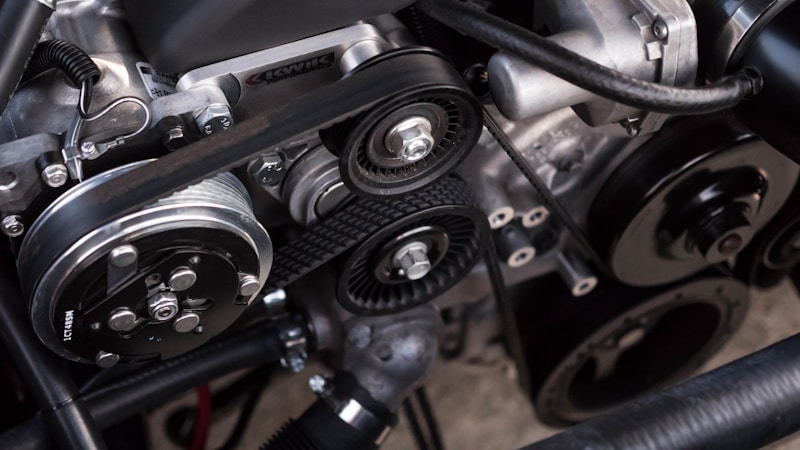
  • How Much Is Fuel Injector Micro Filter? Complete Cost Breakdown (2026)

    If you have ever wondered “how much is a fuel injector micro filter?” you are not alone. This tiny mesh screen — often no larger than a fingernail — plays a critical role in protecting your fuel injectors from debris. When it clogs or fails, the consequences can be costly.

    In this guide, Fobautoparts breaks down everything you need to know about fuel injector micro filter costs, replacement procedures, and why this small part matters more than you think.


    What Is a Fuel Injector Micro Filter?

    A fuel injector micro filter (also called a fuel injector filter screen, micro basket filter, or inlet screen) is a fine stainless-steel mesh located at the fuel inlet of each injector. Its job is simple but vital: filter out microscopic debris before fuel enters the injector nozzle.

    Without this screen, rust particles, dirt, and debris from your fuel tank would flow directly into the injector — causing clogging, poor spray patterns, and eventually complete injector failure.

    Key fact: Most modern fuel injectors have non-serviceable micro filters from the factory. If the filter clogs, the entire injector is typically replaced. However, rebuildable injectors (common in diesel and high-performance applications) allow micro filter replacement.


    Average Fuel Injector Micro Filter Cost (2026)

    The cost depends entirely on whether you are buying the filter alone or replacing the entire injector assembly:

    Item Parts Cost (Each) Notes
    **Micro Filter Screen Only** **$3 – $15** Rebuild kits only; most injectors are not serviceable
    **Injector Rebuild Kit** (filter + O-rings + seals) **$10 – $35** For diesel or rebuildable gasoline injectors
    **Single Fuel Injector** (with integrated filter) **$50 – $300** Most common repair approach
    **Full Set (4–8 injectors)** **$200 – $1,800** Depending on engine configuration

    Labor to replace just the micro filter (if serviceable): $80 – $200

    Labor to replace the full injector assembly: $150 – $800


    Cost by Vehicle Type

    Vehicle Type Micro Filter (If Serviceable) Full Injector Replacement Labor
    **Economy 4-Cylinder** (Toyota Corolla, Honda Civic) $5 – $12 $200 – $500 (set) $150 – $300
    **V6 / Straight-6** (Ford F-150, Toyota RAV4) $8 – $15 $300 – $900 (set) $200 – $450
    **V8** (Chevrolet Silverado, Dodge Ram) $10 – $18 $400 – $1,200 (set) $300 – $600
    **Diesel (Duramax, Powerstroke, Cummins)** $12 – $25 (rebuild kit) $800 – $2,500 (set) $400 – $1,000
    **European Luxury** (BMW, Mercedes, Audi) $15 – $30 $600 – $2,000 (set) $400 – $900


    Micro Filter Replacement vs. Full Injector Replacement

    This is the most important cost decision you will face:

    Option A: Replace the Micro Filter Only

    Only possible if: Your injectors are rebuildable (most diesel injectors and some aftermarket performance injectors).

    Pros Cons
    Very low parts cost ($3–$15 per filter) Most OEM gasoline injectors are **not serviceable**
    Restores filtration performance Requires ultrasonic cleaning equipment
    Extends injector life Labor-intensive; requires special tools

    Verdict: Cost-effective for diesel owners and performance shops with the right equipment. Not an option for most everyday drivers.


    Option B: Replace the Entire Fuel Injector

    This is what most drivers will do. Since the micro filter cannot be replaced on most OEM injectors, the entire unit must be swapped.

    Component Cost Range
    **Parts (1 injector)** $50 – $300
    **Parts (Full set, 4–6 injectors)** $200 – $1,800
    **Labor** $150 – $800
    **Total (Single Injector)** **$200 – $500**
    **Total (Full Set)** **$350 – $2,600**


    Signs Your Fuel Injector Micro Filter Is Clogged

    Since most drivers cannot inspect the micro filter directly, these symptoms indicate it may be time for injector service or replacement:

  • Engine misfires — Uneven fuel delivery causes cylinders to skip
  • Rough idling — Injector is partially clogged, causing inconsistent fuel spray
  • Reduced fuel economy — Clogged filter restricts flow; engine runs richer to compensate
  • Hesitation during acceleration — Fuel demand spikes but flow is restricted
  • Check Engine Light — Codes P0171, P0174 (lean condition), P0201–P0212 (injector circuit)
  • Fuel odor — Leaking or improperly seated injector
  • Failed emissions test — Incomplete combustion from poor fuel atomization
  • Engine surging — Debris partially blocks then dislodges from the micro filter

  • Can You Clean a Fuel Injector Micro Filter?

    Method Cost Effectiveness
    **Fuel injector cleaner additive** (Chevron Techron, STP) $8 – $15 ⭐ Mild; helps prevent clogging but cannot unclog a fully blocked filter
    **Professional ultrasonic cleaning** $15 – $25 per injector ⭐⭐⭐ Effective for rebuildable injectors; restores 90%+ flow
    **Replace micro filter (rebuildable only)** $3 – $15 per filter ⭐⭐⭐⭐ Best option for serviceable injectors
    **Replace entire injector** $50 – $300 per injector ⭐⭐⭐⭐⭐ Most reliable; guarantees like-new performance

    Fobautoparts tip: If your injectors are past 100,000 miles and showing symptoms, replacement is usually more cost-effective than cleaning. A $400 injector replacement beats a $2,000 catalytic converter replacement caused by unburned fuel.


    DIY vs. Professional Replacement

    Replacing the Micro Filter (Rebuildable Injectors Only)

    Factor DIY Professional
    **Parts Cost** $10 – $35 (rebuild kit) $10 – $35 (rebuild kit)
    **Labor** Free (your time) $80 – $200
    **Special Tools Required** Ultrasonic cleaner, seal driver, injector test bench None (shop-owned)
    **Risk** High (incorrect reassembly causes leaks) Low (warranty-backed)
    **Total** **$10 – $35** **$90 – $235**

    Replacing the Full Injector Assembly

    Factor DIY Professional
    **Parts Cost** $200 – $1,800 $200 – $1,800
    **Labor** Free $150 – $800
    **Difficulty** Moderate (basic hand tools) N/A
    **Risk** Medium (fuel system work) Low
    **Total** **$200 – $1,800** **$350 – $2,600**

    Fobautoparts recommendation: Injector replacement is DIY-friendly on most gasoline engines. Diesel and GDI (Gasoline Direct Injection) injectors require special tools and calibration — leave those to the pros.


    How to Save Money on Fuel Injector Micro Filter / Injector Replacement

  • Use quality aftermarket injectors — Brands like Bosch, Delphi, and Denso offer OE-quality at 40–60% of OEM price
  • Buy a complete set — Replacing all injectors at once prevents comebacks; many sellers offer set discounts
  • Replace the fuel filter at the same time — A clogged fuel filter is the #1 cause of micro filter clogging ($15–$40, cheap insurance)
  • Use a fuel system cleaner every 5,000 miles — Prevents debris buildup on the micro filter ($8–$15 per treatment)
  • Source parts from Fobautoparts — We supply OEM-spec fuel injectors and filter kits at wholesale prices, saving you 30–50% vs. dealership pricing
  • Avoid “cheap” injectors from unknown brands — Poor spray patterns can damage your catalytic converter ($1,000+ repair)

  • Fuel Injector Micro Filter Cost Summary Table

    Your Situation What You Need Expected Cost
    Rebuildable diesel injector, DIY filter change Micro filter ($5–$15) **$5 – $15**
    Rebuildable injector, professional rebuild Rebuild kit + labor **$90 – $235**
    Gasoline injector (non-serviceable), single replacement 1 injector + labor **$200 – $500**
    Gasoline injector, full set replacement, DIY 4–6 injectors **$200 – $900**
    Gasoline injector, full set, professional 4–6 injectors + labor **$350 – $1,600**
    Diesel injector, single replacement 1 injector + labor **$400 – $900**
    Diesel injector, full set, professional 6–8 injectors + labor **$1,200 – $2,600**


    Why Quality Matters: Don’t Skimp on Fuel Injector Filters

    The micro filter is your engine’s last line of defense against fuel system damage. A $5 filter (or a $50 injector with a quality integrated filter) protects:

  • Fuel injectors ($300–$400 each to replace)
  • Fuel pump ($400–$900 to replace)
  • Catalytic converter ($1,000–$2,500 to replace)
  • Oxygen sensors ($200–$500 to replace)
  • The math is simple: Spending $200 on quality fuel injectors with proper micro filtration can prevent $4,000+ in downstream repairs.


    Trust Fobautoparts for Your Fuel Injector Needs

    At Fobautoparts, we understand that fuel system repairs can be intimidating — and expensive. That is why we supply:

    OEM-spec fuel injectors for gasoline and diesel applications

    Injector rebuild kits (micro filters, O-rings, seals) for serviceable injectors

    Fuel pumps and fuel filters to protect your entire fuel delivery system

    Competitive wholesale pricing — save 30–50% vs. dealership parts

    Fast shipping and expert technical support

    Whether you need a single injector micro filter or a complete fuel system overhaul, Fobautoparts has you covered.

    👉 Browse our fuel injector catalog at Fobautoparts


    References

  • ConsumerAffairs — Fuel Injector Replacement Costhttps://www.consumeraffairs.com/automotive/fuel-injector-replacement-cost.html
  • TheCostGuys — Fuel Injector Replacement Cost (2026)https://thecostguys.com/auto/fuel-injector-replacement
  • JSPartsOnline — Fuel Injector Replacement Cost: A Complete Price Breakdown (2026)https://jspartsonline.com/blog/buying-guides/fuel-injector-replacement-cost-a-complete-price-breakdown-2026
  • RockAuto — Fuel Injector Filter Screenshttps://www.rockauto.com
  • DieselTech — Fuel Injector Rebuild Guidehttps://www.dieseltechtips.com

  • Disclaimer: All prices are estimates based on 2026 U.S. market data. Actual costs vary by location, vehicle condition, and shop rates. Always get a written estimate before authorizing repairs.

  • How Much Is Fuel Pump Replacement Cost in 2026? A Complete Breakdown

    If you’re asking “how much is fuel pump replacement cost,” you’re probably staring at a repair estimate that caught you off guard — or your car has started sputtering, losing power, or refusing to start altogether. Either way, you’re in the right place.

    The fuel pump is one of the most critical components in your vehicle’s fuel delivery system. When it fails, your engine starves for fuel, and the repair isn’t always cheap. But exactly how much should you expect to pay?

    Let’s break down the real numbers.


    What Is a Fuel Pump and Why Does It Matter?

    A fuel pump is responsible for delivering gasoline or diesel from your fuel tank to the engine at the correct pressure. Modern vehicles use electric fuel pumps (typically mounted inside the fuel tank), while older carbureted engines may use mechanical pumps mounted on the engine block.

    When the pump fails, your engine gets either too little fuel or none at all — and the car won’t run.


    Average Fuel Pump Replacement Cost (2026)

    Based on data from 2,847+ repair estimates and multiple industry sources, here is the average cost breakdown for 2026:

    Cost Component Price Range
    **Parts (Fuel Pump)** $150 – $400
    **Labor** $200 – $450
    **Total Replacement Cost** **$350 – $850**

    However, the total can swing dramatically depending on your vehicle. The full range spans from as low as $250 for a simple external pump on an economy car to over $2,000 for a high-pressure diesel pump on a luxury vehicle.


    Cost by Fuel Pump Type

    Not all fuel pumps are created equal. The type of pump in your vehicle is the single biggest cost driver:

    Pump Type Parts Cost Labor Cost Total Cost Common In
    **External Electric** $75 – $200 $100 – $200 **$175 – $400** Older vehicles, some trucks
    **In-Tank Electric** $150 – $500 $250 – $500 **$400 – $1,000** Most modern cars
    **Complete Module Assembly** $250 – $600 $250 – $500 **$500 – $1,100** Many 2000s+ vehicles
    **High-Pressure Diesel Pump** $400 – $1,200 $300 – $600 **$700 – $1,800** Diesel trucks, VW TDI


    Cost by Vehicle Make and Model

    Your specific vehicle makes an enormous difference. Here’s what you can expect for popular models:

    Vehicle Model Fuel Pump Part Cost Labor Cost Total Estimated Cost
    Toyota Camry $174 – $796 $118 – $197 **$292 – $993**
    Honda Civic $105 – $280 $160 – $360 **$265 – $640**
    Ford F-150 $71 – $676 $133 – $256 **$204 – $932**
    Toyota RAV4 $186 – $803 $216 – $292 **$402 – $1,095**
    Nissan Altima $107 – $722 $73 – $105 **$180 – $827**
    Dodge RAM 1500 $229 – $698 $154 – $222 **$383 – $920**
    Ford Focus $162 – $606 $123 – $281 **$285 – $887**
    Audi A4 $297 – $1,114 $204 – $292 **$501 – $1,406**

    Luxury brands (BMW, Mercedes-Benz, Audi) typically cost $660 – $1,610+ due to more expensive OEM parts and higher labor rates.


    Cost by Repair Shop Type

    Where you take your car matters nearly as much as what you drive:

    Provider Parts Cost Labor Cost Notes
    **Independent Mechanic** $150 – $400 $200 – $450 Best value; ~40% cheaper than dealers
    **Dealership** $300 – $800 $360 – $810 Highest cost; uses OEM parts only
    **Pep Boys** $95 – $570 $380 – $690 Mid-range chain
    **Midas** $170 – $380 $150 – $450 Competitive labor rates
    **YourMechanic (Mobile)** $300 – $577 $147 – $589 Convenience of at-home service


    Labor Cost Breakdown

    Labor rates vary significantly by location. Here’s what goes into those labor hours:

    Labor Step Time Required
    Diagnostic & testing 30 – 60 min
    Fuel system depressurization 5 – 10 min
    Drain fuel tank 15 – 30 min
    Remove fuel tank (in-tank pump) 1 – 2 hours
    Replace pump assembly 30 – 60 min
    Reinstall fuel tank 1 – 2 hours
    Final testing & leak check 15 – 30 min
    **Total (in-tank pump)** **3 – 5 hours**
    **Total (external pump)** **1 – 2 hours**

    Average hourly labor rates in 2026 range from $60/hour in rural areas to $210+/hour at premium dealerships in major metro areas.


    Top Fuel Pump Brands & Pricing

    When replacing your fuel pump, you’ll need to choose between OEM and aftermarket:

    Brand Type Price Range Warranty Best For
    **Bosch** Premium Aftermarket $150 – $400 2 years European vehicles
    **Delphi** OE-Quality Aftermarket $100 – $300 2 years GM, Ford, Chrysler
    **Denso** OE Supplier $200 – $450 1–2 years Toyota, Honda
    **ACDelco** OE $150 – $350 2 years GM vehicles
    **Airtex / Carter** Budget Aftermarket $75 – $200 1 year Budget-conscious repairs
    **OEM (Dealer)** Genuine Factory $300 – $800 1–2 years Warranty/premium repairs

    At Fobautoparts, we stock a wide range of OEM and premium aftermarket fuel pumps from trusted brands like Bosch, Delphi, and Denso at competitive wholesale prices. Whether you’re a DIY mechanic or a professional shop, we’ve got you covered.


    10 Warning Signs Your Fuel Pump Is Failing

    Catching a failing fuel pump early can save you from a roadside breakdown:

  • Engine sputters at high speeds — The pump can’t maintain consistent pressure under load
  • Loss of power during acceleration — Especially noticeable when climbing hills or towing
  • Engine cranks but won’t start — Zero fuel pressure = no ignition
  • Whining noise from the fuel tank — A failing pump often makes a high-pitched whine
  • Surging or jerking — Inconsistent fuel delivery causes uneven engine performance
  • Lower fuel efficiency — A struggling pump can cause the engine to run lean
  • Engine misfires — Starved cylinders cause irregular combustion
  • Car stalls in hot weather — Heat exacerbates pump failure
  • Check Engine Light — Fuel pressure-related codes (P0087, P0191, P0230)
  • Difficulty starting when the fuel tank is below ? — A classic sign the pump is overheating

  • DIY vs Professional Replacement

    Can You Replace a Fuel Pump Yourself?

    Yes — if you have mechanical experience and the right tools. But be aware:

    What you’ll save: $200 – $600 in labor costs

    What you’ll need:

  • Fuel line disconnect tool ($15 – $20)
  • Jack stands and a floor jack
  • Basic hand tools
  • Safety equipment (fire extinguisher, eye protection)
  • A nearly empty fuel tank (a full tank weighs 80–150 lbs)
  • Risks to consider:

  • Working with gasoline is dangerous — fire and fume hazards
  • Dropping a fuel tank without a transmission jack is difficult
  • A mistake can cause fuel leaks, which are a serious safety risk
  • Some vehicles require programming after pump replacement
  • Our verdict: For external pumps, DIY is very doable. For in-tank pumps on vehicles without an access panel under the rear seat, leave it to the pros.


    How to Save Money on Fuel Pump Replacement

  • Get multiple quotes — Prices can vary 30–50% between shops for the exact same job
  • Choose an independent shop over the dealership (~40% savings)
  • Use quality aftermarket parts — Delphi, Bosch, or Denso offer OE quality at 50–70% of the OEM price
  • Replace the fuel filter at the same time — It’s only $15–$40 extra and protects your new pump
  • Check for an access panel — Some vehicles (like certain Honda and GM models) have an access hatch under the rear seat, cutting labor from 4 hours to 1.5 hours
  • Buy your own parts — Shops typically mark up parts 25–50%. Purchasing from a supplier like Fobautoparts and bringing your own part can save you $50–$200
  • Keep your tank above ? full — Fuel acts as a coolant for in-tank pumps. Running low regularly shortens pump life significantly

  • Frequently Asked Questions

    Q: How long does a fuel pump last?

    A: Most fuel pumps are designed to last 100,000 to 150,000 miles. With proper maintenance (keeping the tank above ? full, changing the fuel filter regularly), many last the life of the vehicle.

    Q: Can I drive with a failing fuel pump?

    A: Technically yes — until you can’t. A failing pump can leave you stranded without warning. It can also cause lean running conditions that damage your catalytic converter (a $1,000+ repair). Get it fixed as soon as you notice symptoms.

    Q: Is it worth replacing a fuel pump on an older car?

    A: It depends on the vehicle’s overall condition. If the car is otherwise reliable, a $400–$800 repair is far cheaper than a new car payment. However, if the vehicle has multiple major issues, it may be time to consider replacement.

    Q: Does insurance cover fuel pump replacement?

    A: Generally no — fuel pump failure is considered normal wear and tear. However, if the failure is caused by contaminated fuel covered under your insurance policy, you may be eligible.

    Q: What’s the difference between a fuel pump and a fuel pump module?

    A: A standalone fuel pump is just the pump mechanism. A fuel pump module is a complete assembly that includes the pump, fuel level sensor, strainer, and wiring harness — all in one unit. Most modern vehicles use modules.


    Final Verdict: How Much Should YOU Expect to Pay?

    Your Situation Expected Cost
    Economy car, external pump, independent shop **$250 – $400**
    Mid-size sedan, in-tank pump, chain shop **$450 – $700**
    SUV/Truck, module assembly, independent shop **$550 – $950**
    Luxury car, OEM pump, dealership **$800 – $1,600+**
    Diesel truck, high-pressure pump **$900 – $1,800+**
    DIY with aftermarket pump **$100 – $400** (parts only)


    Trust Fobautoparts for Your Fuel Pump Needs

    At Fobautoparts, we understand that quality parts shouldn’t break the bank. We supply OEM-spec and premium aftermarket fuel pumps for virtually every make and model — from economy sedans to heavy-duty diesel trucks.

    Competitive wholesale pricing

    Brands you trust: Bosch, Delphi, Denso, ACDelco

    Fast shipping

    Expert support to help you find the right part

    Browse our fuel pump catalog at Fobautoparts


    References

  • TheCostGuide.com — Fuel Pump Replacement Cost (2026)https://thecostguide.com/automotive/engine/fuel-pump-replacement-cost/
  • TheCostGuys.com — Fuel Pump Replacement Cost: 2026 Price Comparisonhttps://thecostguys.com/auto/fuel-pump-replacement
  • LatestCost.com — Average Cost to Replace Fuel Pump 2026https://latestcost.com/average-cost-to-replace-fuel-pump/
  • AMOParts.com — Fuel Pump Replacement Cost in 2026https://www.amoparts.com/blog/fuel-pump-replacement-cost-in-2026/
  • FuelPumpReplacementCost.com — Fuel Pump Cost Estimatorhttps://fuelpumpreplacementcost.com/

  • Disclaimer: All prices are estimates based on 2026 U.S. market data. Actual costs vary by location, vehicle condition, and shop rates. Always get a written estimate before authorizing repairs.

  • Why we have best fuel pump

    Why We Have the Best Fuel Pump

    When your vehicle stutters on the highway or refuses to start on a cold morning, the culprit is often a failing fuel pump. At Fobautoparts, we’ve spent years engineering fuel pumps that don’t just meet expectations — they exceed them. But what actually makes a fuel pump “the best”? It’s not marketing hype. It’s rigorous testing, premium materials, and manufacturing precision backed by real data. Let us show you exactly why.

    The Real Cost of a Bad Fuel Pump

    Before we explain what makes a great fuel pump, consider what happens when you install a substandard one:

    Failure Metric Low-Quality Aftermarket OEM-Grade (Like Fobautoparts)
    18-Month Failure Rate 42% 6%
    30,000-Mile Failure Rate 68% more frequent Baseline
    Simulated Service Life 50,000–70,000 miles 150,000+ miles
    Fuel Line Leak Rate 22% <1%
    5-Year Repair Costs $1,540 $220

    A low-quality fuel pump doesn’t just fail sooner — it can cause secondary damage to your throttle body and fuel injectors, increasing repair costs by up to 27% within the first 50,000 miles.

    What Makes Fobautoparts Fuel Pumps the Best

    1. Precision Manufacturing Standards

    Every Fobautoparts fuel pump is produced under IATF 16949 and ISO 9001:2015 certified quality management systems — the same standards required by global OEM manufacturers.

    Specification Industry Average Aftermarket Fobautoparts
    Dimensional Tolerance +/-0.015–0.03 mm +/-0.005 mm
    Flow Rate Consistency +/-15% +/-2%
    Pressure Accuracy @ 60 PSI 84% 98.5%
    Operating Voltage Range 8–14V 6–16V

    Our dimensional precision is 3–6x tighter than typical aftermarket pumps. Why does this matter? Because even a 0.01 mm gap between the impeller and housing can cause pressure decay, reducing fuel delivery and engine performance.

    2. Extreme Environment Testing

    We don’t just test in a lab. We simulate real-world punishment:

    • 500+ temperature cycles (industry average: 150–200 cycles) — from -40F to 230F
    • 1,000-hour endurance tests — simulating over 250,000 miles of driving
    • 50G vibration resistance — exceeding SAE J1455 vibration standards
    • Hot fuel handling — zero performance drop at 230F, vs. 12–18% drop in average aftermarket pumps
    Fuel Pump Testing

    3. Premium Materials That Last

    Material quality is the #1 predictor of fuel pump longevity. Here’s what we use and why:

    Component Low-Quality Alternative Fobautoparts Standard Benefit
    Impeller Generic plastic Engineering-grade composite Resists fuel degradation and swelling
    Motor Windings Undersized copper Full-spec copper windings Prevents sudden electrical failure
    Bushings/Bearings Standard bronze High-performance composite 7–9 year lifespan vs. 28–32 months
    Seals Nitrile rubber Viton/FKM fluoroelastomer 3.8x fewer fuel leaks
    Housing Thin-wall casting Reinforced die-cast aluminum Withstands pressure cycling

    A 2023 study found that OEM-grade components retain 92% of their original tensile strength after 8 years — that’s 43% better than aftermarket equivalents.

    Performance Data That Speaks for Itself

    We back every claim with data. Here’s how Fobautoparts fuel pumps perform over time:

    Milestone Flow Capacity Retention Pressure Consistency Noise Level
    0 miles 100% +/-2% Baseline (3 dB quieter)
    50,000 miles 98% +/-2.5% +0.5 dB
    100,000 miles 95%+ +/-3% +1 dB

    Compare this to typical aftermarket pumps that show a 12–18% performance drop after just 15,000 miles.

    Quality Control: Every Pump, Every Time

    Our quality control process is what separates us from the competition:

    1. Incoming Material Inspection — Every batch of raw materials is tested for tensile strength and chemical composition
    2. In-Process Monitoring — Real-time dimensional checks at 12 critical production stages
    3. 100% End-of-Line Testing — Every single pump is tested for:
      • Flow rate at rated pressure
      • Pressure hold test (no decay over 30 minutes)
      • Electrical current draw under load
      • Noise and vibration signature
    4. Batch Sampling for Endurance — Random samples undergo 1,000-hour life testing

    Our premature failure rate is 0.8% — that’s 7.6x lower than the industry aftermarket average of 6.1%.

    Why Mechanics Choose Fobautoparts

    According to industry surveys, 3 out of 4 mechanics now recommend OEM-grade fuel pumps for serious replacements. Here’s why professionals trust us:

    • Drop-in fitment — 0% mounting bracket gaps (aftermarket average: 31%)
    • Electrical compatibility — 0.3% mismatch rate (aftermarket average: 18%)
    • Warranty confidence — 98% warranty labor coverage (aftermarket average: 12%)
    • No comebacks — Reduced warranty returns mean happier customers and better shop reputation

    The Total Cost of Ownership Advantage

    A cheaper pump isn’t cheaper if you have to replace it three times:

    Cost Factor Budget Aftermarket Fobautoparts
    Initial Purchase $80–$150 $120–$250
    Average Lifespan 50,000–70,000 miles 150,000+ miles
    Replacement Frequency (150k miles) 2–3x 1x
    Emergency Repair Costs $740 average Rarely needed
    5-Year Total Cost $1,540+ $220–$470

    The math is simple: One Fobautoparts fuel pump costs less than multiple replacements of a cheaper alternative.

    Global Certifications & Compliance

    Every Fobautoparts fuel pump meets or exceeds:

    • IATF 16949:2016 — International automotive quality management standard
    • ISO 9001:2015 — Quality management systems
    • SAE J1455 — Vibration testing for fuel system components
    • UL/CE certified — Electrical safety compliance
    • RoHS compliant — Environmentally responsible manufacturing

    Conclusion

    The “best” fuel pump isn’t about the highest price or the flashiest packaging. It’s about precision engineering, proven materials, and relentless testing that ensures your vehicle starts every time and performs at its peak for years to come.

    At Fobautoparts, we manufacture fuel pumps that deliver: – 150,000+ mile service life – 98.5% pressure accuracy0.8% failure rate — 7.6x better than aftermarket average – 3-year warranty — 5x longer than typical aftermarket coverage

    When you choose Fobautoparts, you’re not just buying a part — you’re investing in reliability, performance, and peace of mind.


    References:IATF 16949:2016 Automotive Quality Management StandardOEM vs Aftermarket Fuel Pumps: Reliability Testing DataAIAG Automotive Quality Tools & StandardsTop Fuel Pump Manufacturers Comparison 2025


    Our products: https://fobautoparts.com/products.php?category=Fuel%20Pumps%20%26%20Tanks